Top 10 Reasons Why We Need Basic Wardrobe Pieces?

Time:2026-11-21 Author:Madeline
0%

A useful wardrobe does not need to be large. It needs clothes that work together on ordinary mornings, busy workdays, and last-minute plans. A crisp white shirt, dark straight-leg jeans, a neutral knit, and comfortable shoes can create several reliable outfits. The value is practical: fewer pieces sit unworn, and getting dressed takes less guesswork. Why do we need basic pieces in wardrobe? Because versatile foundations make personal style easier to use, not just easier to admire. Small details matter. A shirt that pulls at the shoulders is not a true staple, however classic it looks on a hanger.

Fashion designer Coco Chanel is often credited with the line, “Fashion fades, only style remains the same.” It captures a useful idea, though basics are not universal. Fit, climate, work, budget, and personal taste all change what belongs in a closet. A black blazer may be essential for one person and nearly useless for another. Start with pieces that suit your real routine, then notice what you reach for repeatedly. Be honest. Some “must-haves” are just shopping advice dressed up as a rule. This guide explores ten reasons basic wardrobe pieces can save time, support more outfit combinations, and make a closet feel more considered—without pretending that a perfect wardrobe exists.
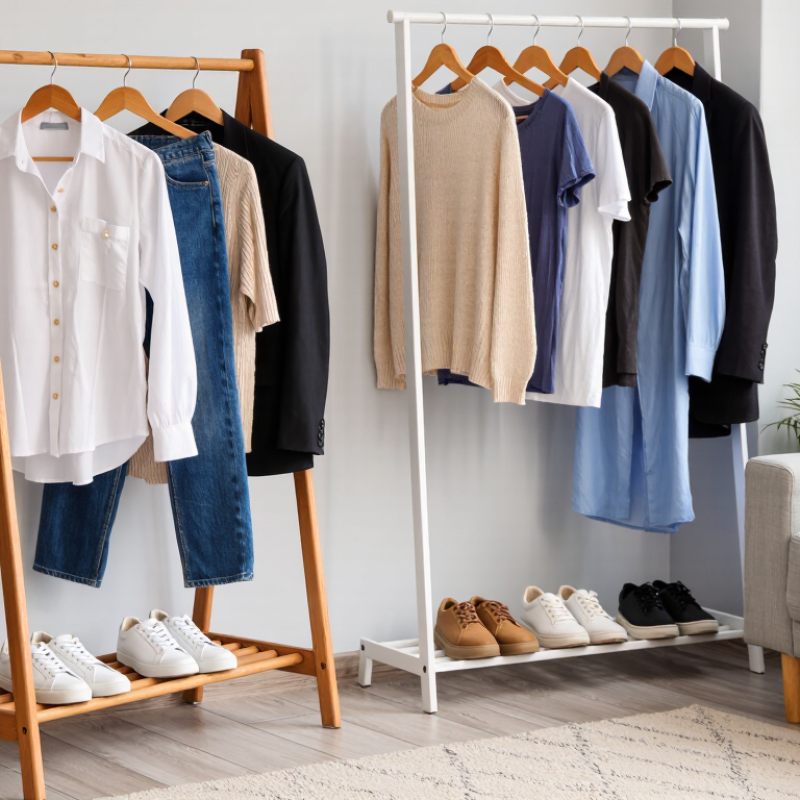
Top 10 Reasons Why We Need Basic Wardrobe Pieces?

What Defines a Basic Wardrobe Piece in Apparel Planning?

In apparel planning, a basic wardrobe piece is not simply a plain garment or a neutral color. It is designed to work across several outfits, occasions, and styling choices without demanding special coordination. A straight-leg trouser, for example, might pair with a knit top for everyday wear and a structured shirt for work. The useful test is repeatability. Can it be worn often, layered comfortably, and cared for without special effort? Fabric weight, seam strength, opacity, and ease of movement matter as much as appearance.

Planners assess a piece in relation to the rest of a wardrobe, not in isolation. They consider climate, daily routines, fit preferences, and whether its color works with existing garments. A cotton shirt may be versatile, but a thin, transparent fabric can limit how often someone wears it. Small details count. A collar that holds its shape or a waistband that stays comfortable can make repeated use more likely. Still, “basic” is not universal. A neutral color may suit one person’s wardrobe and feel awkward in another’s. Planning can miss this; real wear sometimes reveals that a supposedly dependable piece rarely leaves the closet.

How Versatility Helps Core Garments Serve Multiple Occasions

Basic wardrobe pieces are useful because they adapt to different settings with small changes. A plain shirt can work under a sweater for a chilly commute, then stand alone at a casual dinner. Straight-leg trousers may suit an office with a neat jacket or a weekend walk with comfortable shoes. The value lies in how easily pieces work together, not in owning many of them.

I used to think versatile meant bland. That was too simple. Fabric, fit, and condition matter: a shirt that wrinkles quickly may not feel right for a long day, even if its color matches everything. A soft cardigan can add warmth during a morning meeting, then fold into a tote for an evening outing. One garment rarely fits every occasion perfectly, and that is worth considering when building a wardrobe.

Tips: Choose colors that pair with clothes you already wear. Test an outfit by changing just one item, such as shoes or a layer. Check comfort while sitting and moving, not only in front of a mirror. Small changes matter.

Top 10 Reasons Why We Need Basic Wardrobe Pieces? - How Versatility Helps Core Garments Serve Multiple Occasions

# Reason Example Core Pieces How They Work Across Occasions Practical Benefit
1 More outfit combinations Neutral trousers, a plain shirt, a simple knit top Pair with different layers and shoes for work, errands, or a casual dinner. A few compatible garments can form many distinct outfits.
2 Easier dressing for different settings A well-fitting blazer, dark trousers, a solid-color top Wear the pieces together for a more polished setting or separately for relaxed plans. Familiar staples make it simpler to adjust an outfit to the occasion.
3 Better use of layering T-shirts, cardigans, lightweight jackets Add or remove layers as indoor and outdoor temperatures change. Layering helps garments work across changing weather and environments.
4 Less reliance on one-purpose clothing A simple dress, a versatile shirt, clean-lined shoes Style a dress with casual layers by day or more formal accessories for an event. Multi-use pieces can reduce the need for separate outfits for every type of event.
5 Simpler packing Interchangeable tops, bottoms, and a light outer layer Choose pieces that can be mixed for sightseeing, meals, and casual meetings. Coordinated basics make it easier to plan a small travel wardrobe.
6 More consistent personal style Well-fitting basics in colors that coordinate Repeat familiar combinations for everyday activities while changing accessories or layers. A consistent foundation can make outfits feel cohesive without requiring identical looks.
7 Fewer last-minute outfit decisions A reliable shirt, comfortable trousers, a practical jacket Use established combinations for routine workdays, appointments, or errands. Having dependable options can make daily outfit planning more straightforward.
8 Easier coordination with statement items Plain tops, simple bottoms, a neutral outer layer Let a patterned, brightly colored, or distinctive item stand out for social plans or events. Simple foundations can balance more expressive pieces.
9 More wear from each garment Durable, comfortable pieces suited to regular use Rotate a versatile item through multiple outfits instead of reserving it for one occasion. Frequent use can make a garment a more practical part of a wardrobe.
10 A useful foundation for gradual updates Core shirts, trousers, knitwear, and outerwear Add seasonal colors, accessories, or trend-led pieces without replacing the whole wardrobe. Versatile basics can remain useful as individual style preferences change.

How Cost per Wear Measures the Value of Wardrobe Staples

Cost per wear turns a wardrobe staple into a practical calculation. Divide its purchase price by the number of times you wear it.

A jacket costing $120, worn 60 times, costs $2 per wear.

Wear it 10 times, and the figure is $12.

The difference depends less on the price tag than on how well the garment fits your real routine.

Look at a typical week. A plain shirt that works under a sweater, with jeans, and beneath a work jacket may earn frequent use. Notice whether it stays comfortable through a full day, holds its shape after washing, and suits the weather where you live. Care and repairs matter, too; a loose button is inexpensive to fix, but replacement costs can change the calculation. Keep a simple note on your phone if your memory is unreliable. Mine is.

The math has limits. It cannot measure comfort, fabric feel, or whether a piece makes getting dressed easier on a rushed morning. I have bought “versatile” clothes that mostly stayed in the closet. A low cost per wear is useful evidence, not proof of a perfect purchase. Choose staples you can picture wearing often, then check whether that picture matches your habits.

Why Longer Use Matters: WRAP Says 9 Extra Months Can Cut Clothing Impacts by 20–30%

Top 10 Reasons Why We Need Basic Wardrobe Pieces?

Why Longer Use Matters: WRAP Says 9 Extra Months Can Cut Clothing Impacts by 20–30%

Basic wardrobe pieces earn their place through repeat wear. A well-fitting shirt or sturdy trousers can work across seasons, reducing the need to replace them often. WRAP’s 2012 Valuing Our Clothes report estimated that extending a garment’s active life by nine months could reduce its carbon, water, and waste footprints by around 20–30%. These are estimates, not guarantees for every item. Fabric, washing habits, and how often a piece is worn all matter. A loose button is repairable; a thin, worn collar may not be.

Longer use also asks us to notice what we already own. A plain cardigan at the back of a drawer may need a fresh button, not a replacement. Still, “buy less” is not always simple: some people need workwear, weather-specific clothes, or sizes that are hard to find. And basics are not automatically sustainable. A cheap item that loses its shape after a few washes may have a short life, despite its neutral color.

Why Wear Counts Matter: Ellen MacArthur Foundation Reports a 36% Decline in Garment Use Before Disposal

Top 10 Reasons Why We Need Basic Wardrobe Pieces?

Why Wear Counts Matter: Ellen MacArthur Foundation Reports a 36% Decline in Garment Use Before Disposal

A wardrobe earns its keep through repeated wear, not a crowded rail. The Ellen MacArthur Foundation’s 2017 report, A New Textiles Economy, found that clothing use fell 36% globally compared with 15 years earlier. The report measures use by how many times a garment is worn before disposal. That shift makes durable basics practical: a well-fitting shirt or sturdy trousers can work across many ordinary days. Still, buying “timeless” pieces is no guarantee; fit, comfort, and actual habits matter more.

A cotton shirt worn weekly is easy to picture: commute, grocery run, wash, repeat. Yet clothes can leave rotation because they pinch, fade, or no longer suit daily life. Basic pieces may reduce those mismatches, but only when chosen for the wearer’s real routine. It is tempting to treat fewer purchases as an automatic win. They are not, if unused garments still sit in drawers. Track wears for a month; the results may be a little uncomfortable.

Tips: Before buying, check whether a new piece works with three items already in your wardrobe. Choose washable fabrics and comfortable fits, then note each wear on your phone. Repair a loose button promptly. Small habits help basics stay in use longer.

FAQS

How do I calculate cost per wear?

Divide the purchase price by the number of times you wear the item. A $120 jacket worn 60 times costs $2 per wear.

What can a cost-per-wear figure tell me?

It shows how use affects an item’s value. It does not measure comfort, fabric feel, or how easy it makes rushed mornings.

How can I tell if a basic piece suits my routine?

Picture wearing it during ordinary days, such as commuting or buying groceries. Check whether it feels comfortable, suits your local weather, and works with clothes you own.

What details should I check before buying?

Look at the seams, buttons, fabric weight, and fit. Choose something comfortable now, not only after an imagined wardrobe change.

Can wearing clothes longer reduce their impact?

One estimate suggests that extending a garment’s active life by nine months could reduce its carbon, water, and waste footprints by around 20–30%. Results vary.

Why do some “versatile” clothes stay unworn?

They may pinch, fade, or simply fail to fit your habits. I have bought versatile pieces that mostly stayed in the closet.

What small habits can help clothes last longer?

Follow care labels, wash less when appropriate, and air-dry when practical. Fix a loose button before it becomes a reason to replace a garment.

How can I track what I actually wear?

Note each wear on your phone for a month. The results might be a little uncomfortable. My memory is unreliable.

Conclusion

A basic wardrobe piece is a dependable garment with a simple design, lasting quality, and the flexibility to work with different outfits. Why do we need basic pieces in wardrobe? Because a small collection of useful essentials makes everyday dressing easier, supports more combinations, and helps garments suit work, travel, and casual occasions. Their value is not just their purchase price: cost per wear shows how an item’s cost is spread across the many times it is used.

Choosing durable staples and wearing them for longer can also reduce the need for frequent replacement. Extending a garment’s use by nine months may cut its clothing-related impacts by 20–30%. Regular wear matters, too: reported garment use before disposal has fallen by 36%, highlighting the value of making better use of what we already own. Thoughtful wardrobe planning can therefore support convenience, long-term value, and more responsible consumption.

Madeline

Madeline

Madeline is a dedicated marketing professional with a wealth of expertise in our company's core offerings. With a keen understanding of the industry, she brings a unique perspective to her role, consistently delivering high-quality content that highlights the superior aspects of our products. As......