In the world of global sourcing, the textile industry presents a fascinating question: Why do some fabrics feel better than others? This inquiry goes beyond aesthetic appeal; it touches on comfort, durability, and even cultural significance. The sensations textiles evoke can significantly affect consumer choices, influencing their decisions to purchase or reject products.
Various factors contribute to fabric feel. Material composition is key. Natural fibers like cotton and cashmere offer softness and breathability. Meanwhile, synthetic options like polyester can create a smooth surface but may lack the comfort of natural alternatives. Processing techniques, such as weaving and finishing, also play a crucial role. These methods can enhance or diminish the tactile experience, making some fabrics feel luxurious while others might not meet expectations.
Moreover, consumer preferences are subjective and influenced by individual experiences. A fabric that feels exquisite to one person may evoke unpleasant memories or feelings in another. This complexity challenges manufacturers to balance quality, cost, and emotional resonance in their fabric choices. Understanding why some fabrics feel better than others not only aids production but also fosters deeper connections between consumers and the materials they choose to wear.
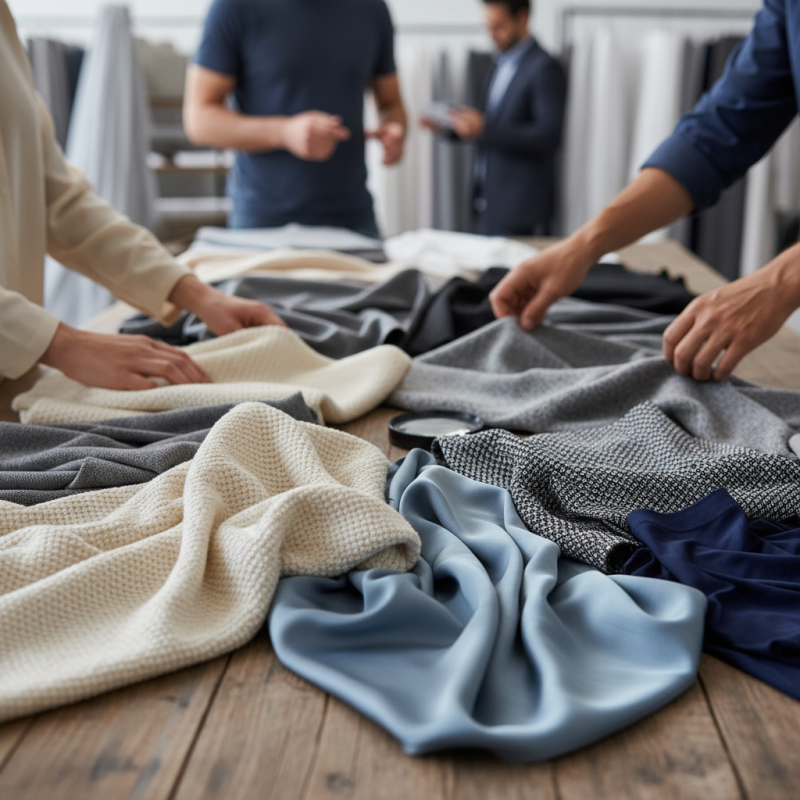
The feel of fabrics is an intricate blend of science and artistry. Many factors influence how a fabric feels against the skin. For instance, fiber content plays a crucial role. According to a report from the Textile Institute, natural fibers like cotton and silk provide breathability and softness. In contrast, synthetic fibers often mimic these qualities but can lead to discomfort due to poor moisture-wicking properties.
Understanding the structure of fabrics enhances our appreciation of their feel. Weaving techniques also affect texture. Dense weaves can create warm, heavier fabrics, whereas loose weaves tend to be airy and lightweight. Research suggests that touch perception can be subjective; about 70% of consumers prefer softer fabrics. Some individuals, however, find certain textures irritating. This highlights the diversity in fabric experience, reminding us that not all sensations are universally appreciated.
Environmental factors like humidity can also change how a fabric feels. A fabric that feels soft in dry conditions may feel clammy when it's humid. The complexity in fabric properties invites further exploration and reflection. What feels good for one might be uncomfortable for another, showcasing the nuanced relationship between individuals and textiles.
Choosing fabric is not just about style; it's about sensation. The feel of fabric against the skin heavily relies on fiber composition. Different fibers interact with our bodies in unique ways, impacting comfort and perception. For instance, natural fibers like cotton and linen offer breathability. Synthetic options, however, may provide durability but can feel less comfortable.
Fiber composition affects texture, moisture absorption, and thermal properties. A wool blend may provide warmth, while a silk blend feels luxurious. People often gravitate towards familiar textures that evoke feelings of comfort. But preferences can be subjective. Some may find polyester comfortable, while others do not.
Understanding these nuances is vital for sourcing. However, it can be challenging to balance comfort with durability and cost. Consumer feedback often highlights discomfort in certain fabrics, prompting a rethink of sourcing strategies. This underscores the importance of testing and evaluating fabrics in real-world conditions. Exploring the right fiber blend is critical for enhancing fabric sensation.
This bar chart presents the comfort levels associated with different fiber compositions commonly used in fabrics. Comfort level ranges from 1 (low comfort) to 10 (high comfort). As illustrated, silk tends to provide the highest comfort, while linen ranks lower in this sample analysis.
The texture of fabric plays a vital role in how we perceive comfort. Weaving techniques greatly influence this texture, leading to diverse sensations. For example, a tight weave can create a smooth surface, which feels sleek against the skin. This technique often results in a crisp, formal look. However, it can also lead to stiffness, potentially reducing overall comfort.
Conversely, looser weaves allow fibers to breathe, resulting in softer textures. These fabrics often drape beautifully and offer a relaxed feel. Yet, they may be more susceptible to wear and tear. Some weaves, like knits, provide elasticity and movement, enhancing comfort.
When considering fabric pick, evaluate your specific needs. Longevity versus immediate comfort can create tension in choices, prompting introspection about priorities.
In the global sourcing of materials, understanding these weaving techniques can guide better decisions. A fabric that feels good initially may not withstand the test of time. Thus, balancing aesthetics with durability becomes essential. Learning to appreciate the nuances of different weaves helps navigate this complex landscape of fabric sourcing.
Fabric comfort is often determined by the finishing processes applied during production. These processes involve various treatments that enhance the texture and softness of the fabric. For instance, fabrics can be brushed to create a fuzzy, warm finish. This makes them feel softer against the skin, improving overall comfort.
Another key finishing process is the use of chemical treatments. These can help fabrics become more breathable or moisture-wicking. However, not all treatments are created equally. Some fabrics may feel comfortable but may incorporate harmful chemicals. This raises concerns about health and environmental impacts.
Moreover, the way a fabric is woven also plays a significant role. Tight weaves can lead to stiffer fabrics, while looser weaves often feel lighter and more breathable. Yet, this can result in a lack of durability. It's important to balance comfort with longevity. Choosing the right fabric, then, requires careful consideration of these competing factors. Comfort may not always mean quality. Understanding these nuances can help consumers make more informed choices.
Consumer preferences in fabric selection are deeply influenced by cultural factors. Different regions value distinct qualities in textiles, from softness to durability. According to a report by the Textile Exchange, over 75% of consumers prioritize comfort when choosing fabrics. This comfort often ties back to cultural associations, such as warmth or luxury, which can vary widely across countries.
In Asia, for instance, natural fibers are often preferred due to their breathability and skin-friendliness. In contrast, European consumers may lean towards synthetic fabrics for their long-lasting properties. Understanding these preferences can significantly enhance global sourcing strategies. It's crucial to consider how these cultural values shape fabric choices.
Tips: Engage with local stakeholders to gain insights into regional fabric preferences. Sampling different materials during trade shows can provide valuable firsthand experience. Keep track of changing trends; consumer preferences can evolve quickly in today’s market.
By cultivating a good understanding of cultural influences and preferences, businesses can connect better with their audience. This nuanced approach helps in creating fabrics that resonate with consumers worldwide.
| Fabric Type | Feel/Texture | Consumer Preference (%) | Cultural Influence | Sustainability Preference (%) |
|---|---|---|---|---|
| Cotton | Soft and Breathable | 70% | Western Preference | 40% |
| Silk | Luxurious and Smooth | 85% | Asian Influence | 20% |
| Wool | Warm and Cozy | 65% | Cultural Heritage in Europe | 30% |
| Polyester | Durable and Affordable | 50% | Global Influence | 10% |
| Linen | Crisp and Lightweight | 60% | Mediterranean Culture | 25% |
: Fiber composition determines how fabric feels against your skin, affecting comfort and perception.
Natural fibers provide breathability, which enhances comfort in warm conditions.
Weaving techniques influence the texture, with tight weaves feeling sleek and loose weaves offering softness.
Tight weaves can create stiffness, which may reduce overall comfort despite a crisp appearance.
Cultural values shape preferences, influencing the qualities people seek in textiles, like softness or durability.
Engaging with local stakeholders can provide insights into regional fabric preferences and trends.
Some fabrics may feel uncomfortable to certain individuals, prompting them to rethink their choices.
Testing fabrics in real-world situations is vital for ensuring they meet both comfort and durability standards.
A fabric may look good initially but could degrade quickly, affecting long-term satisfaction and usability.
Regularly tracking trends and sampling materials can help businesses adapt to evolving consumer needs.
The article "Why Do Some Fabrics Feel Better Than Others in Global Sourcing?" explores the intricate science behind fabric sensation by examining various factors that contribute to the tactile experience of textiles. It delves into the properties of different fibers, highlighting how their composition directly affects comfort and feel. Additionally, the weaving techniques employed can significantly alter the texture of fabrics, influencing consumer preferences.
Finishing processes also play a crucial role in enhancing fabric comfort, adding to the overall sensory experience. The article recognizes that cultural influences and individual preferences shape how fabrics are perceived, ultimately affecting their selection in the global market. By understanding these elements, we gain insight into the question: why do some fabrics feel better than others?

Berrie Clothes