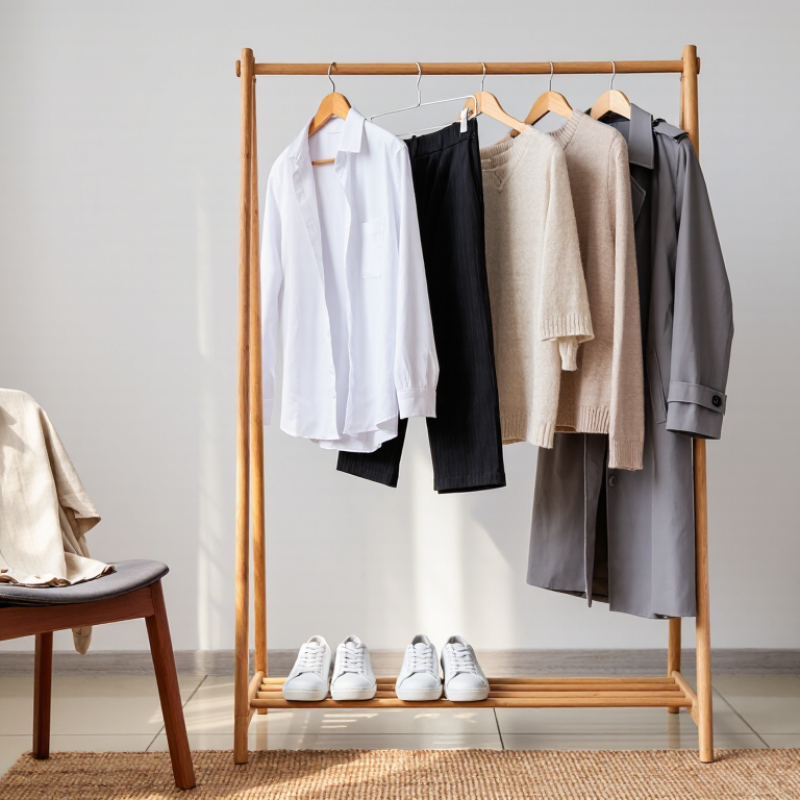
Why do people love minimalist clothing? The answer is rarely just about neutral colors or empty wardrobes. For many people, minimalist clothing makes daily dressing calmer, faster, and more intentional. A white cotton shirt, tailored black trousers, and clean leather sneakers can create several reliable outfits. These pieces reduce visual noise without removing personal style.
This article explores the top 10 reasons behind that appeal. Minimalist clothing often emphasizes practical design, comfortable fabrics, careful construction, and long-term versatility. From a professional wardrobe perspective, fewer well-chosen garments can simplify decisions before work, travel, or social events. Textile quality also matters. Breathable cotton, durable wool, and responsibly sourced fibers may feel better and perform longer when properly maintained.
Yet minimalism is not automatically sustainable or affordable. That assumption deserves reflection. Buying ten “perfect” basics every season still creates waste. A genuinely thoughtful wardrobe considers fit, repair, fabric origin, care instructions, and actual lifestyle needs. Some people may also find minimalist outfits too plain, restrictive, or repetitive.
The strongest benefit is personal control. A small wardrobe can make a crowded morning feel more manageable. It can also reveal what you truly wear, rather than what advertising tells you to want. Through practical examples and evidence-informed observations, we will examine why minimalist clothing continues to attract professionals, travelers, and style-conscious consumers. The goal is not perfection. It is making better clothing decisions with clearer priorities.
Definition and Core Principles of Minimalist Clothing
Top 10 Reasons Why People Love Minimalist Clothing
Definition and Core Principles of Minimalist Clothing
Minimalist clothing means owning fewer pieces with clearer purpose. Each garment should support repeated wear, easy coordination, and daily comfort. The approach is not limited to black, white, or neutral colors. Its core principles include thoughtful purchasing, durable construction, repair, proper care, and long-term use. A practical wardrobe audit asks simple questions:
Does this shirt fit today?
Can it work across three settings?
Will I still wear it next year?
The environmental case is substantial. The United Nations Environment Programme estimates that textiles create 2–8% of global greenhouse-gas emissions. WRAP reports that keeping clothing for nine additional months can reduce carbon, water, and waste footprints by roughly 20–30%. Minimalism can therefore reduce replacement purchases, especially when people choose washable fabrics and maintain garments carefully. Small habits matter.
Still, minimalist clothing is not automatically responsible. A ten-piece wardrobe can contain fragile items, poor labor standards, or unnecessary synthetic materials. Fewer purchases do not excuse careless choices. I sometimes mistake beige colors for discipline. That is a useful warning. The real test is cost per wear, comfort, repairability, and evidence behind the material claims. A worn jacket with visible mending may express minimalist values better than an untouched “essential” bought on impulse.
Timeless Design, Versatility, and Ease of Styling
Minimalist clothing earns loyalty through timeless design, versatility, and easier styling. Clean lines, neutral colors, and fewer decorative details keep garments useful across seasons. A charcoal overshirt can work with denim, tailored trousers, or a simple cotton dress. It also reduces morning decisions. That matters when a busy day starts before breakfast.
My wardrobe experience is imperfect. I sometimes buy a “classic” piece that feels dull after one month. Fit, fabric weight, and comfort still matter more than visual simplicity. The Fashion on Climate report from McKinsey & Company and Global Fashion Agenda estimated that fashion created about 2.1 billion tonnes of carbon dioxide equivalent emissions in 2018. Choosing adaptable garments may support longer use, but minimalism alone cannot solve fashion’s impact. WRAP reports that extending clothing life by nine months can reduce carbon, water, and waste footprints by 20–30%.
Tips: Build around three colors and one dependable silhouette. Try each item with at least three existing outfits. Check sleeve movement, pocket placement, and fabric recovery before buying. A plain shirt should survive real life, not just a fitting-room mirror. Keep one expressive item, too. Total restraint can become repetitive.
Versatility also improves packing. A lightweight knit, straight trousers, and washable overshirt can create several travel combinations. Timeless design does not mean endless beige. Small texture changes, such as ribbed cotton or brushed wool, add interest without complicating styling. The best minimalist wardrobe feels calm, but never careless.
Comfort, Functionality, and Everyday Practicality
Minimalist clothing appeals to people who want comfort without constant decisions. A soft cotton T-shirt, relaxed trousers, and one warm overshirt can handle a demanding day. The value is practical. Fewer pieces often make dressing faster and packing lighter.
The Global Wellness Institute reports that workplace stress remains a major health concern worldwide. Comfortable clothing cannot solve stress, but it can remove small daily irritations. Flexible waistbands help during long commutes. Breathable layers work across changing temperatures. Simple colors also reduce outfit planning. Small relief matters.
Durability supports this practical approach. WRAP’s Valuing Our Clothes report found that extending a garment’s active life by nine months can reduce its carbon, water, and waste footprints by about 20–30%. That figure depends on washing habits, fabric choice, and usage. Care still matters. Wash less often. Repair loose seams. Air-dry when possible.
Minimalism is not automatically sustainable. I still own clothes I rarely wear. That is the uncomfortable part. A smaller wardrobe only works when each item fits real routines, not an imagined lifestyle. A commuter may need washable layers. A parent may need stain-resistant fabrics. A remote worker may prioritize softness over formal structure. Personal experience should guide the selection, while professional lifecycle data offers a useful reality check. Clothes should earn their space.
Affordability, Durability, and Sustainable Consumption
Top 10 Reasons Why People Love Minimalist Clothing
Affordability, Durability, and Sustainable Consumption
Minimalist clothing makes daily spending easier to control. A smaller wardrobe reduces impulse purchases and repeated trend chasing. I often compare cost per wear before buying anything. A higher-priced shirt can become affordable after dozens of uses. However, low price does not always mean good value. Fabric weight, stitching, washing instructions, and repairability matter more over time. A simple cotton overshirt may survive years of weekly use when washed gently and dried properly. Still, even durable clothing eventually wears out.
Minimalist pieces also support more sustainable consumption. Buying fewer garments can reduce textile waste, packaging, and unnecessary transport. Choose versatile colors, strong seams, and fabrics suited to your local climate. Check whether the material feels comfortable before purchasing. Uncomfortable clothing usually stays in the closet, which wastes money and resources. I still make mistakes. Sometimes I buy a “timeless” item that does not fit my real lifestyle. That experience reminds me to pause before every purchase.
Tips: Track each garment’s cost per wear. Repair loose buttons quickly. Wash clothes less often when appropriate. Use cold water and avoid excessive drying heat. Donate only clean, usable pieces, and consider swapping or repairing them first. Sustainable consumption is not perfect. It is a practical habit that improves through honest reflection.
Conclusion
Why do people love minimalist clothing? The appeal begins with a clear focus on simplicity, purpose, and thoughtful design. Minimalist wardrobes often feature timeless colors, clean shapes, and versatile pieces that can be combined in many ways, making daily styling easier and reducing the stress of choosing what to wear. Instead of following every short-lived trend, people can build a consistent look that reflects their personal taste and remains useful across different occasions and seasons.
Minimalist clothing is also valued for comfort, practicality, and long-term value. Well-considered pieces can support everyday movement while avoiding unnecessary details, and choosing fewer, more durable garments may encourage more affordable and sustainable consumption. With fewer decisions to make, people can save time, feel more organized, and direct attention toward other priorities. Ultimately, minimalist clothing is not only about appearance; it can strengthen personal identity, increase confidence, and create a calmer, more intentional approach to dressing.
 Berrie Clothes
