7 Tips to Avoid Mistakes When Buying Outfits

Time:2026-09-23 Author:Henry
0%

Buying an outfit can look simple: choose a color, check the size, and pay. Yet a polished product photo may hide stiff fabric, awkward seams, or a waistband that pinches after two hours. That is why shoppers need more than instinct. They need a repeatable method for checking fit, function, quality, and total cost.

The National Retail Federation and Appriss Retail estimated that U.S. consumers returned $743 billion in merchandise in 2023, equal to 14.5% of total retail sales. Clothing is a major part of this problem because sizing differs across brands, countries, and even product lines. A measuring tape, a review of the fabric composition, and a careful reading of the return policy can prevent expensive disappointment. Small checks matter.

So, what mistakes to avoid when buying outfits? This guide explores seven common errors, from trusting the labeled size to ignoring comfort during movement. It also considers color accuracy, garment care, online reviews, and cost per wear. These details reflect advice commonly used by stylists, apparel buyers, and experienced shoppers.

Perfection is unrealistic. Even careful buyers sometimes misjudge a cut.

The better goal is fewer regrets. Before purchasing, imagine the outfit under real conditions: walking through a station, sitting at a desk, or washing it after a long day. A beautiful item that stays in the closet is not a smart purchase. It is an expensive lesson.
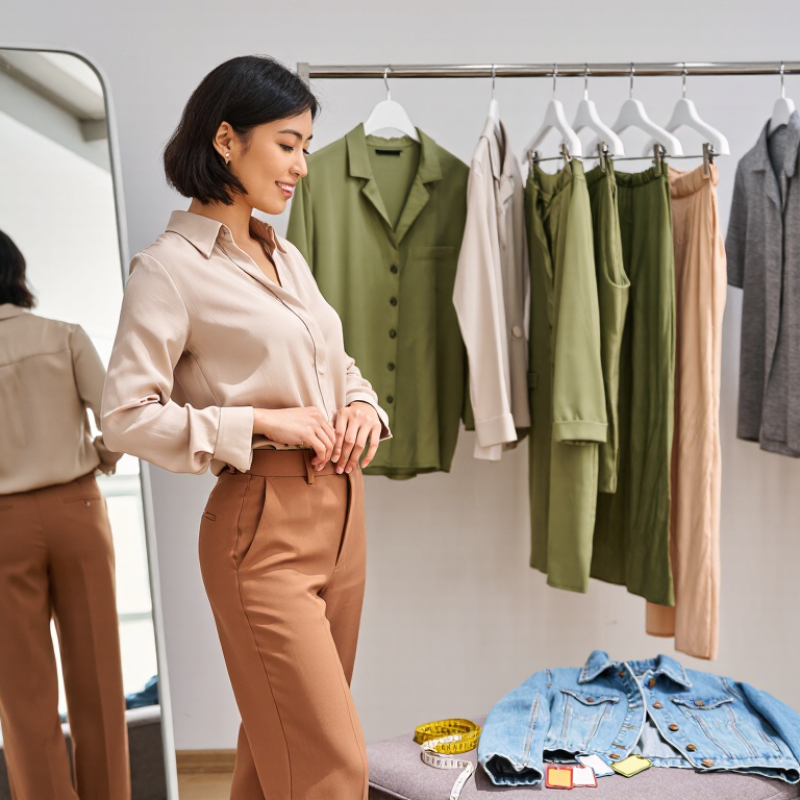
7 Tips to Avoid Mistakes When Buying Outfits

Define Your Clothing Needs Before You Start Shopping

Before shopping, define what your wardrobe must actually do. Think about your weekly routine, local weather, work expectations, and laundry habits. A person who cycles to work needs breathable layers and secure pockets. Someone attending formal meetings may need structured clothing that resists wrinkles. Write these needs down.

I usually check my wardrobe before entering a store. I count usable trousers, inspect worn collars, and note missing basics. This prevents buying another similar shirt just because its color looks appealing. Set a practical budget for each category, including shoes and alterations. Measure yourself while standing naturally, then compare those measurements with the garment’s size chart. Sizes vary, even within the same type of clothing.

Comfort deserves evidence, not assumptions. Sit, walk, raise your arms, and check whether seams pull. Test a jacket with the layers you normally wear. Examine fabric density, stitching, fasteners, and care instructions. Natural fibers can feel comfortable, but they may wrinkle or shrink without proper care. Easy-care fabrics can save time, though some feel warmer than expected. I have bought attractive trousers that stayed unworn because they needed constant ironing. That mistake changed how I shop. Leave an item behind if it solves no clear clothing need, even when the discount feels difficult to resist.

Set a Realistic Budget for the Complete Outfit

7 Tips to Avoid Mistakes When Buying Outfits

Set a Realistic Budget for the Complete Outfit

A realistic outfit budget must cover the whole look, not only its most attractive piece. The U.S. Bureau of Labor Statistics reported average annual apparel spending of $2,041 per consumer unit in 2023. That figure is a national average, not a personal target. Your income, climate, work setting, and wardrobe needs matter more.

A complete outfit is rarely just a shirt and trousers. Include shoes, underwear, accessories, tailoring, delivery, and basic care. Small costs accumulate quickly.

The National Retail Federation reported average back-to-school spending of $874.68 per household in 2024, covering clothing and other supplies. This shows why clothing money needs a separate limit. Before shopping, set a firm ceiling for the entire outfit.

My practical starting split is 60% for core clothing, 25% for footwear, and 15% for alterations or accessories.

Adjust it when shoes already exist.

Try every item together before paying. Check the mirror, movement, fabric comfort, and weather suitability. A discounted jacket is not a bargain if it needs expensive tailoring.

I once ignored this detail and spent more on alterations than expected. That mistake changed my process. Now I keep a small buffer, compare the final price, and remove one item if the total feels uncomfortable.

Your budget should survive the receipt, not only the fitting room.

Check Fabric, Fit, and Construction Carefully

7 Tips to Avoid Mistakes When Buying Outfits

Check the fabric label before admiring the color. Natural fibers can feel breathable, but performance depends on the weave and finishing. Hold the fabric near a light source. Look for uneven threads, loose loops, or thin patches. Textile Exchange’s 2024 Materials Market Report recorded global fiber production at 124 million tonnes in 2023. That scale makes thoughtful buying important. I still sometimes choose softness over durability, and regret it after washing.

Test the fit with movement, not a mirror pose. Raise your arms, sit down, and walk several steps. Shoulder seams should sit near your shoulders. Trousers should not pull across the hips. Check whether pockets gape. Inspect hems, buttons, zippers, and lining closely. Strong, even stitching usually signals better construction. However, neat stitching alone proves little. Fabric tension matters too. A beautiful jacket can fail at the elbows.

Read the care instructions before paying. A garment requiring frequent specialist cleaning may not suit your routine. WRAP’s Valuing Our Clothes report found that using clothes for nine extra months could reduce their carbon, water, and waste footprints by about 20–30%. Washability matters. Check shrinkage warnings, colorfastness, and spare-button details. Try layering underneath. Leave the fitting room slowly. Rushed decisions hide uncomfortable collars, twisted seams, and sleeves that are slightly too short. Slightly too short still matters.

Compare Sizes, Prices, and Return Policies

7 Tips to Avoid Mistakes When Buying Outfits

Compare garment measurements, not only S, M, or L. Measure your chest, waist, hips, and inseam with a soft tape. Check the chart every time. Sizing can change between cuts, fabrics, and countries. Read customer comments for details such as tight shoulders or long sleeves. I once trusted my usual size and ignored the sleeve measurement. That mistake was avoidable.

Compare the full price before choosing an outfit. Include delivery charges, alteration costs, taxes, and possible return postage. A low price can become expensive after several adjustments. Save screenshots of prices and promotions before checkout. The National Retail Federation reported that U.S. shoppers returned an estimated 14.5% of retail sales in 2023, worth about $743 billion. Poor fit creates real waste. Compare materials too, because a cheaper thin fabric may lose shape quickly.

Read the return policy slowly. Check the time limit, condition requirements, refund method, and exclusions for altered or worn items. Photograph the parcel and keep the receipt until the refund arrives. Baymard Institute’s research places average online cart abandonment near 70%, showing how uncertainty can stop purchases. Do not rush. A policy hidden in small text deserves attention. I still find some policies confusing, so I write down the key dates before paying. A mirror check is not enough; walk, sit, and raise your arms indoors before removing tags.

7 Tips to Avoid Mistakes When Buying Outfits

Compare sizes, prices, and return policies before checkout. Online clothing purchases have a higher return rate than retail purchases, making careful comparisons especially important.

Industry benchmark: 14.5% of total retail sales and 17.6% of online sales were returned in 2023. Use size measurements, total delivered price, and return deadlines to reduce avoidable mistakes.

Review Your Choices Before Completing the Purchase

7 Tips to Avoid Mistakes When Buying Outfits

Review Your Choices Before Completing the Purchase

Buying an outfit should involve more than liking its color. Before paying, inspect the fabric, stitching, measurements, and care instructions. A bright photo can hide thin material or an awkward cut. I once ignored a loose shoulder seam because the discount seemed attractive. The outfit looked fine online, but it needed alterations later. That mistake changed how I review clothing.

Tip 1: Check the size chart, not only your usual size. Measure your chest, waist, and hips before ordering. Tip 2: Read customer feedback carefully. Look for repeated comments about shrinking, tight sleeves, or transparent fabric. Tip 3: Imagine three occasions for the outfit. If it works only once, reconsider the purchase. Tip 4: Compare the garment with your existing wardrobe. A beautiful piece may remain unused without suitable shoes or layers.

Pause before checkout.

Tip 5: Examine the return policy and delivery details. Keep screenshots of measurements, prices, and promised dates. Tip 6: Review the basket for duplicate items, wrong colors, or selected sizes. Small errors happen when shopping quickly. Tip 7: Consider comfort during movement. Sit down mentally, raise your arms, and picture walking in the outfit. I sometimes still choose appearance over comfort, and that is worth questioning. A polished outfit should not require constant pulling, adjusting, or hiding.

7 Tips to Avoid Mistakes When Buying Outfits - Review Your Choices Before Completing the Purchase

No. Buying Check What to Review Action Before Purchase Useful Evidence Mistake Prevented
1 Confirm the Purpose Check whether the outfit suits the event, weather, dress code, and expected level of activity. Write down the occasion and the conditions in which the outfit will be worn. Event details, weather forecast, dress-code instructions, and planned activities. Buying clothing that looks attractive but is unsuitable for the occasion.
2 Measure for Fit Compare your body measurements with the garment's size chart rather than relying only on the size label. Measure the chest or bust, waist, hips, inseam, and other dimensions listed in the chart. A current measurement record and the garment's published size chart. Choosing the wrong size because labels are not standardized across sellers or garment cuts.
3 Inspect the Fabric Review fiber content, fabric weight, stretch, transparency, texture, and care requirements. Read the fiber-content and care labels; consider whether the fabric suits the climate and intended use. Fiber-content label, care instructions, close-up product images, and fabric description. Unexpected comfort, opacity, durability, or maintenance problems.
4 Check Construction Quality Look for even seams, secure buttons, functional zippers, finished edges, and consistent stitching. Inspect high-stress areas such as pockets, waistbands, closures, hems, and shoulder seams. Detailed images, in-person inspection, or verified customer photographs. Paying for an item with visible defects or weak finishing.
5 Calculate the Full Cost Include the item price, delivery charges, taxes, alterations, and expected care costs. Compare the final checkout total with your clothing budget before placing the order. Final checkout summary, delivery fee, tax details, and alteration estimate. Underestimating the actual cost of the outfit.
6 Review Return Conditions Check the return period, item-condition requirements, excluded categories, refund method, and return shipping responsibility. Save or screenshot the policy shown on the date of purchase. Current return-policy page and order confirmation. Being unable to return an unsuitable, defective, or incorrectly sized garment.
7 Pause and Recheck the Cart Verify the selected color, size, quantity, delivery address, and duplicate items. Use a short review pause before selecting the final purchase button. Cart summary, product page, saved measurements, and delivery details. Accidental purchases caused by rushed or incorrect selections.

Final review rule: If the fit, fabric, total cost, or return conditions are unclear, delay the purchase until the information is verified.

FAQS

What should a complete outfit budget include?

Include clothing, shoes, underwear, accessories, tailoring, delivery, and basic care. Small costs add up quickly. Your budget must survive the receipt.

How can I divide my outfit budget?

Try 60% for core clothing, 25% for footwear, and 15% for alterations or accessories. Adjust this split when suitable shoes already exist.

Should I buy a discounted item if tailoring is expensive?

Not always. A cheap jacket can become costly after sleeve adjustments and waist changes. Compare the final price before paying.

How can I test an outfit before buying it?

Wear every piece together. Raise your arms, sit down, walk several steps, and check the mirror from different angles. Move naturally.

What details should I inspect in the fabric?

Check the label and hold the fabric near a light source. Look for uneven threads, loose loops, thin patches, and unwanted transparency.

Which construction details matter most?

Inspect shoulder seams, hems, buttons, zippers, lining, and pockets. Even stitching helps, but it does not guarantee durability. Fabric tension matters too.

Why should I read care instructions before purchasing?

Frequent specialist cleaning may not fit your routine or budget. Check washing methods, shrinkage warnings, colorfastness, and spare-button details.

What common buying mistake should I avoid?

Do not rush because an item looks attractive. I once valued softness over durability and regretted it after washing. The lesson still needs practice.

Conclusion

Buying a complete outfit is easier and more successful when you plan before shopping. Start by defining your clothing needs, including the occasion, preferred style, required pieces, and how often you will wear them. Set a realistic budget for the entire outfit rather than focusing only on one attractive item. This helps prevent overspending and ensures that every piece works well together. When examining clothing, pay close attention to the fabric, stitching, seams, fasteners, and overall construction. Check whether the fit is comfortable and suitable for movement, since appearance alone does not guarantee practicality.

To understand what mistakes to avoid when buying outfits, compare sizes carefully because measurements can vary between sellers and styles. Also review prices, shipping costs, and return policies before making a decision. Before completing the purchase, look at your choices as a complete outfit and ask whether the colors, proportions, comfort, and versatility meet your needs. Taking a final moment to reconsider can help you avoid impulse purchases and choose clothing that offers better value and long-term wear.

Henry

Henry

Henry is a dedicated marketing professional with a profound expertise in the company's offerings. With years of experience in the industry, he possesses an impressive understanding of the market dynamics and consumer behaviors that drive success. Henry is committed to sharing his insights through......