Top Tips for Dressing Appropriately for Every Occasion

Time:2026-10-03 Author:Mason
0%

Choosing an outfit is rarely just a matter of personal taste. Clothing communicates respect, awareness, and readiness before a conversation begins. A tailored jacket may support credibility in a boardroom, while polished casualwear can feel more natural at a creative workshop. The details matter: clean shoes, suitable fabric, and a neckline that fits the setting.

Industry research supports this practical view. McKinsey and The Business of Fashion’s State of Fashion 2024 report describes increasingly value-conscious consumers who want versatile, durable clothing. That finding applies to occasion dressing. A navy blazer, white shirt, dark trousers, and simple leather shoes can serve interviews, presentations, and dinners with small adjustments. The Global Wellness Institute also links workplace wellbeing with environments that support confidence and comfort, reminding us that appropriate clothing should not create unnecessary physical stress.

How to dress appropriately for different occasions depends on context, not rigid formulas. Consider the invitation, venue, time, weather, cultural expectations, and your role. A linen shirt may work beautifully at an outdoor lunch, but it can look careless in a formal hotel meeting. Small choices speak loudly.

No outfit guarantees confidence.

Personal experience also exposes the limits of generic advice. I once underestimated how cold a conference room could become and spent the presentation distracted by discomfort. That mistake still shapes practical recommendations: test the outfit, carry a smart layer, and check the dress code directly when uncertain. This guide explores reliable ways to balance professionalism, comfort, personality, and occasion-specific expectations without turning clothing into a performance.
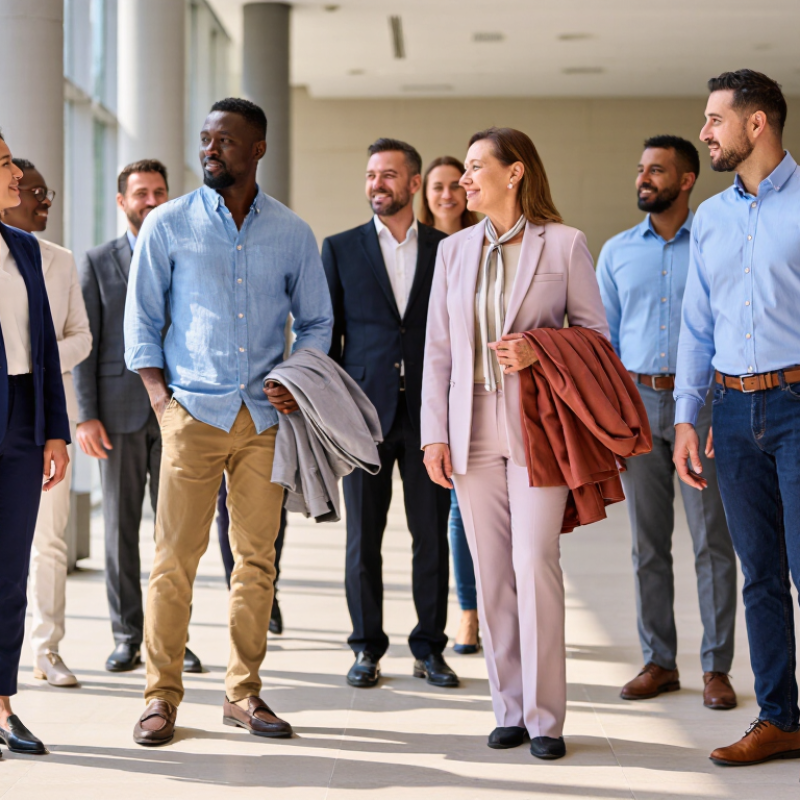
Top Tips for Dressing Appropriately for Every Occasion

Understanding Dress Codes and Occasion-Specific Expectations

Dress codes are practical guidance, not decoration. They tell guests how formal, conservative, or relaxed an occasion may feel. In my experience, reading the invitation carefully prevents most clothing mistakes. Words such as “business formal,” “cocktail,” and “smart casual” require different choices. When instructions seem vague, ask the host rather than guessing.

For business formal events, choose a well-fitted suit, polished shoes, and a restrained shirt. Keep accessories simple and avoid distracting patterns. Cocktail dressing allows more personality, but the outfit should still look intentional. A knee-length or midi dress, tailored trousers, or a refined jacket can work well. Weddings require extra sensitivity. Avoid wearing white unless the invitation clearly permits it. Religious and cultural gatherings may also expect covered shoulders, longer hemlines, or removed shoes.

Outdoor occasions need practical planning. Check the weather, walking surface, and available seating. Thin layers, secure footwear, and a compact umbrella can protect both comfort and appearance. I once wore elegant shoes to a garden event and spent the evening balancing on wet grass. It looked polished briefly. It was not sensible. Comfort matters because constant adjusting can appear less professional than a simpler outfit. Clean clothing, neat grooming, and appropriate fit often communicate respect more clearly than expensive details.

Top Tips for Dressing Appropriately for Every Occasion

Understanding dress codes helps you choose clothing that matches the expected level of formality. The scale below ranks widely recognized dress codes from relaxed to highly formal.

How to use this guide: Start with the stated dress code, then consider the venue, time of day, season, and cultural expectations. When uncertain, dressing slightly more formally is usually the safer choice.

Choosing Appropriate Clothing for Formal and Professional Events

For formal and professional events, clothing should reduce uncertainty, not demand attention. A well-fitted navy suit, pressed shirt, and clean leather shoes remain reliable choices for many office settings. In less traditional workplaces, tailored trousers and a structured jacket can communicate equal care. Check the invitation, venue, time, and expected level of formality before choosing details. A morning conference may require lighter fabrics, while an evening reception often suits darker, sharper layers. NACE’s Job Outlook 2025 reports that 96.1% of employers value communication skills. Clothing cannot replace clear speaking, but it can support a composed first interaction.

Tips: Keep colours restrained. Match formality with the host. Test sitting, walking, and reaching before the event. Remove distracting logos and noisy accessories. Check collars, cuffs, hems, and shoe condition under bright light. Keep a backup shirt nearby. Small preparation helps.

Professional dressing also requires judgment rather than strict imitation. Formal does not always mean uncomfortable. Breathable fabric, secure tailoring, and suitable shoes help you stay focused during long meetings. In my experience, an outfit that looks impressive while restricting movement becomes a quiet problem. I still sometimes choose polish over practicality. That is worth reconsidering. The 2024 Global Workforce Hopes and Fears Survey by PwC found that employees increasingly value adaptability and meaningful workplace experiences. Your clothing should adapt too, while respecting the organization’s culture and the event’s purpose. When uncertain, dress slightly more formally, then observe how established participants present themselves.

Top Tips for Dressing Appropriately for Every Occasion - Choosing Appropriate Clothing for Formal and Professional Events

Occasion Recommended Formality Clothing Essentials Suitable Colors and Fabrics Footwear Accessories and Grooming What to Avoid Preparation Timing
Job Interview Formal A well-fitted suit or tailored separates; a collared shirt or conservative blouse; a structured jacket. Navy, charcoal, black, white, light blue, and other muted tones. Choose wrinkle-resistant wool blends, cotton, or refined synthetic fabrics. Clean, polished closed-toe shoes with a low to moderate heel or formal flat. Use minimal jewelry, a professional bag, a simple belt, and neatly styled hair. Keep fragrance light. Wrinkled clothing, flashy patterns, excessive accessories, casual sneakers, and overly strong fragrance. Try on the complete outfit at least one day in advance.
Corporate Presentation Business Formal Tailored suit, dress shirt or polished blouse, and a coordinated jacket. A knee-length or midi dress with a structured blazer is also suitable. Solid navy, gray, black, beige, or soft blue. Wool, cotton, crepe, and other fabrics that hold their shape work well. Polished loafers, oxfords, pumps, or other stable closed-toe shoes. Carry only presentation essentials in a professional portfolio or bag. Keep grooming precise and unobtrusive. Distracting prints, noisy jewelry, uncomfortable shoes, and clothing that requires frequent adjustment. Prepare and test the outfit two days before the presentation.
Business Conference Business Professional Suit or coordinated blazer and trousers/skirt; a polished shirt, blouse, or modest knit top. Neutral base colors with one restrained accent color. Select breathable, crease-resistant fabrics for long schedules. Supportive loafers, oxfords, dress boots, pumps, or formal flats suitable for walking. Wear a simple watch, practical bag, and understated accessories. Bring a spare shirt or blouse if the event lasts all day. Beachwear, distressed denim, athletic shoes, overly short hemlines, and visibly worn garments. Plan the outfit three to five days ahead, especially when travel is involved.
Formal Evening Reception Formal Dark suit with a dress shirt or an elegant floor-length or midi evening outfit, depending on the invitation. Black, midnight blue, deep green, burgundy, or other refined shades. Velvet, silk, satin, wool, and high-quality crepe may be appropriate. Formal leather shoes, dress sandals, pumps, or other elegant footwear in good condition. Choose refined jewelry, a small evening bag, and neat hair and makeup. Match the level of polish to the event. Daywear, casual cotton T-shirts, worn footwear, large backpacks, and excessive sparkle unless requested. Confirm the dress code and prepare the outfit at least three days in advance.
Black-Tie Event Very Formal A tuxedo or formal dinner suit with a formal shirt; alternatively, a floor-length evening gown or highly formal evening dress. Black, deep navy, jewel tones, or other formal colors. Use evening-appropriate fabrics such as wool, silk, velvet, or satin. Patent or highly polished formal shoes, elegant dress shoes, or formal evening footwear. Keep accessories elegant and limited. A formal watch, cuff links, discreet jewelry, and a compact evening bag are suitable. Business-casual separates, denim, casual boots, large bags, and clothing that appears unfinished or poorly fitted. Check the invitation carefully and complete a full fitting one week before the event.
Formal Wedding Formal Dark suit, formal jumpsuit, cocktail dress, or full-length dress according to the venue and invitation. Seasonally appropriate colors and breathable fabrics for warm weather. Avoid white or colors that may closely resemble the couple's attire. Polished dress shoes, formal flats, dress sandals, or comfortable low heels. Use tasteful accessories and bring a light layer for outdoor or evening celebrations. Keep grooming neat and photo-ready. White outfits when traditionally reserved for the couple, excessively revealing clothing, jeans, and overly casual footwear. Review the venue, weather, and dress code one to two weeks ahead.
Client Meeting Business Professional Tailored trousers or skirt with a blazer, or a polished dress with a professional outer layer. Neutral colors with one subtle accent. Choose fabrics that are opaque, comfortable, and resistant to creasing. Clean loafers, oxfords, pumps, formal flats, or low block heels. Bring a neat notebook or portfolio. Keep jewelry, makeup, hairstyle, and fragrance understated. Clothing with visible stains, loud logos, excessive casual details, and shoes unsuitable for the meeting setting. Check the complete outfit the evening before the meeting.
Office Celebration Smart Casual Chinos or tailored trousers with a collared shirt, blouse, or fine-knit top; a casual blazer can add polish. Muted colors, tasteful patterns, cotton, linen blends, knitwear, and other clean, well-maintained materials. Loafers, clean leather sneakers, ankle boots, flats, or low heels, depending on workplace policy. Use simple accessories and maintain the same grooming standard expected in the workplace. Ripped denim, athletic clothing, beachwear, slippers, and clothing with offensive or distracting graphics. Confirm the workplace dress expectations one or two days ahead.
Networking Event Smart Casual to Business Casual Blazer with tailored trousers, a polished blouse with a midi skirt, or a refined dress with a professional layer. Use comfortable, versatile colors and fabrics that remain presentable after several hours of standing or moving. Comfortable polished shoes, loafers, dress boots, flats, or stable low heels. Carry a compact professional bag, keep accessories memorable but restrained, and ensure clothing allows easy movement. Uncomfortable new shoes, excessive perfume, clothing that is too revealing, and large informal backpacks. Prepare the outfit two to three days before the event.
Casual Social Gathering Casual Clean jeans or casual trousers with a T-shirt, polo shirt, blouse, sweater, or casual button-down shirt. Comfortable colors and breathable fabrics suited to the location and season. Clothing should be clean and in good condition. Clean casual sneakers, loafers, boots, flats, or other practical footwear. Use simple accessories and weather-appropriate outerwear. Maintain clean hair, nails, and shoes. Stained or damaged clothing, pajamas, gym wear, beachwear, and attire that conflicts with the venue. Check the location and weather on the day of the event.
General rule: When the dress code is unclear, choose a polished outfit that is slightly more formal than everyday clothing, then adjust based on the venue, invitation, culture, weather, and expected level of professionalism.

Adapting Outfits for Casual, Social, and Outdoor Occasions

Dressing well starts with reading the occasion, not copying a fixed formula. For casual plans, choose clean layers, comfortable trousers, and shoes that can handle several hours of walking. A plain overshirt can sharpen a T-shirt without feeling overdressed. Cotton Incorporated’s 2024 Global Lifestyle Monitor identifies comfort as a major clothing priority for consumers, supporting practical choices over restrictive styling. Still, comfort should not become an excuse for untidy clothing. Check collars, hems, and visible stains before leaving.

Social occasions require a little more intention. A dinner, gallery visit, or informal celebration often suits one structured piece, such as a tailored jacket or polished knit. Keep colors controlled, then add personality through texture, a watch, or a small accessory. The 2024 State of Fashion report from McKinsey notes that consumers increasingly seek value and versatility, so adaptable garments can serve more than one setting. I sometimes misjudge formality myself. Asking the host remains wiser than guessing.

Outdoor occasions demand preparation beyond appearance. The Outdoor Industry Association’s 2024 Participation Trends Report recorded 175.8 million U.S. participants in outdoor recreation during 2023. Choose breathable base layers, weather-resistant outerwear, and supportive footwear for the actual conditions. Dress in layers. Check the forecast. A lightweight rain shell may matter more than a fashionable jacket. Clothing should allow movement, protect the skin, and dry reasonably quickly. My own mistake was wearing cotton on a cool, wet hike; it looked fine, but felt miserable.

Matching Colors, Fabrics, and Accessories to the Setting

Dressing well begins with reading the setting, not copying a trend. For a formal evening, choose deep navy, charcoal, or black with a clean, low-contrast shirt. Daytime gatherings welcome softer colors, such as stone, pale blue, or muted green. A 2024 consumer study from Cotton Incorporated found that comfort remains a leading clothing priority. Therefore, fabric matters as much as appearance. Choose breathable cotton or linen for warm events, and wool blends for cooler rooms. Avoid shiny fabrics unless the invitation clearly supports them.

Tip: Match texture to atmosphere. Smooth fabrics look polished in offices and ceremonies. Knits and brushed cotton feel more relaxed at weekend gatherings. Textile Exchange’s 2024 Materials Market Report identified polyester as the dominant global fiber, making fabric labels worth checking. A recycled or blended material may perform well, but comfort and durability still need personal testing. I sometimes trust the label too quickly. Movement is the better test.

Accessories should support the outfit, not compete with it. Use one noticeable detail, such as a watch, scarf, or simple necklace. Coordinate its color with your shoes or belt, but do not force an exact match. For interviews, keep accessories quiet and practical. At creative events, a stronger color contrast can show personality. Keep a spare layer nearby. Indoor lighting changes colors, and air conditioning can make thin fabrics uncomfortable. There is no perfect formula. Dress codes remain open to interpretation.

Checking Comfort, Fit, Grooming, and Cultural Considerations

Top Tips for Dressing Appropriately for Every Occasion

Comfort is the first test of appropriate clothing. Sit, walk, reach, and breathe before leaving home. The World Health Organization reports that 1.71 billion people live with musculoskeletal conditions. Restrictive waistbands, stiff collars, or unstable shoes may increase daily discomfort. Choose breathable fabrics and secure fastenings. Comfort should support confidence, not erase personal style.

Fit requires more than checking a size label. Shoulder seams should sit near the shoulders, sleeves should allow movement, and trousers should not pull when seated. Check the outfit in natural light. Grooming matters equally: clean nails, tidy hair, fresh breath, and polished yet practical shoes show consideration. Small details speak loudly. Even careful dressers get this wrong. I sometimes trust a mirror too quickly and forget to test movement.

Cultural awareness prevents avoidable embarrassment. Research local expectations before attending religious, family, or professional events. Clothing that feels modest in one community may seem inappropriate in another. Ask a respectful host when guidance is unclear. Avoid treating traditional garments as costumes, and never assume one person represents an entire culture. Textile Exchange’s Materials Market Report 2024 recorded global fiber production at 124 million tonnes in 2023. Selecting durable, versatile clothing can reduce unnecessary replacement, but durability still needs comfort and proper care. Check hems, remove visible lint, and keep accessories restrained when the setting is unfamiliar.

FAQS

What does a dress code actually tell guests?

It indicates how formal, conservative, or relaxed the event may feel. Read the invitation carefully. If the wording seems unclear, ask the host instead of guessing.

What should I wear to a business formal event?

Choose a well-fitted suit, pressed shirt, polished shoes, and restrained accessories. Navy, charcoal, or other quiet colours usually work well. Avoid distracting patterns and visible logos.

What clothing suits a cocktail event?

Choose an intentional outfit, such as a midi dress, tailored trousers, or a refined jacket. Add personality through texture or colour, but keep the overall appearance polished. Do not look accidentally casual.

What should I avoid wearing to a wedding?

Avoid white unless the invitation clearly permits it. Select clothing that respects the celebration rather than competing with it. Check the venue and ceremony time before choosing the outfit.

How should I dress for religious or cultural gatherings?

Research local expectations before attending. Covered shoulders, longer hemlines, or removed shoes may be expected. Ask a respectful host when uncertain. Never treat traditional clothing as a costume.

How can I prepare for an outdoor event?

Check the weather, walking surface, and available seating. Wear secure shoes and thin layers. A compact umbrella may protect your clothing. Elegant shoes can sink into wet grass.

How can I test whether an outfit fits properly?

Sit, walk, reach, and breathe before leaving home. Shoulder seams should sit near your shoulders. Trousers should not pull when seated. Test everything. A mirror alone can mislead you.

What grooming details matter at formal events?

Keep hair tidy, nails clean, breath fresh, and shoes practical yet polished. Check collars, cuffs, hems, and visible lint under bright light. Small details speak loudly. I sometimes trust a mirror too quickly, so I now test movement and lighting carefully.

Conclusion

Knowing how to dress appropriately for different occasions begins with understanding the expectations of each setting. Formal and professional events usually call for polished, well-fitted clothing in refined colors and simple, coordinated accessories. For casual gatherings, social activities, and outdoor occasions, outfits can be more relaxed while still appearing neat and suitable for the environment. Consider the location, time of day, weather, and level of formality before choosing what to wear.

Color, fabric, and accessories should complement the occasion rather than distract from it. Comfortable, breathable materials are useful for active or outdoor settings, while structured fabrics may be better suited to formal events. A good fit, clean grooming, and appropriate footwear can make any outfit look more intentional. It is also important to respect cultural expectations and personal comfort, adapting your choices thoughtfully. By balancing practicality, confidence, and social awareness, you can create suitable outfits for a wide range of situations.

Mason

Mason

Mason is a seasoned marketing professional with a deep expertise in the company's offerings and a passion for driving brand awareness. With a strong background in digital marketing strategies, he has an innate ability to connect with diverse audiences and effectively communicate product benefits.......