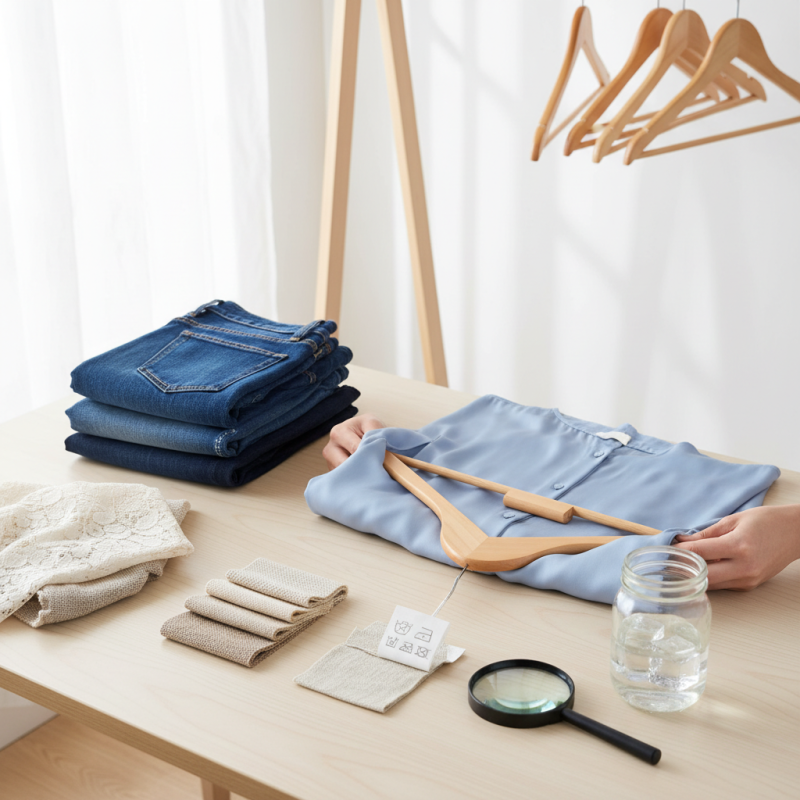
Caring for clothes is essential for longevity. With the right techniques, you can keep your garments looking fresh and new. Learning how to take care of clothes to make them last is vital for any wardrobe. Simple actions can prevent wear and tear, and even a small mistake can lead to irreversible damage.
Start by understanding fabric types. Each material requires different care. For example, delicate fabrics like silk need gentle washing, while denim can withstand harsher treatment. Washing in cold water protects colors. Over time, this simple step prevents fading.
Remember to check care labels. They provide essential information. Ignoring them can ruin your favorite items. Lastly, storing clothes properly is crucial. Avoid overcrowding hangers to prevent stretching. Proper care ensures your clothes serve you well for years. Each of these tips is a step toward understanding how to take care of clothes to make them last.
Understanding Different Fabric Types and Their Care Needs
When it comes to caring for clothes, understanding different fabric types is crucial. Cotton, a natural fiber, is beloved for its breathability and ease of care. However, it can shrink in hot water. A study by the Textile Research Journal revealed that washing cotton in cold water can reduce shrinkage by up to 50%. This practical knowledge helps maintain the integrity of your favorite cotton items.
Next, we have synthetics like polyester. This fabric is versatile and durable but can retain odors. A 2020 report from the International Journal of Clothing Science suggested washing polyester with baking soda to eliminate stubborn smells. This method is eco-friendly and effective. Remember, while synthetics are easy to care for, they may not decompose easily, raising sustainability concerns.
Linen is another fabric that requires special attention. It is strong yet prone to wrinkles. According to a report by the Clothing and Textile Research Journal, using a steamer can preserve its texture better than ironing. These insights highlight the importance of tailoring care methods to fabric types for longevity. Understanding these nuances can significantly improve your clothing's lifespan.
Washing Techniques for Longevity: Hand Wash vs. Machine Wash
When it comes to caring for clothes, washing techniques play a crucial role in their longevity. Hand washing is often seen as the gentler option. It allows you to control the water temperature and the amount of agitation. You can use mild soap to protect delicate fibers. Consider soaking items in cold water with a gentle detergent. This can help lift dirt without damaging the fabric.
Machine washing, on the other hand, is convenient but can be rough on clothes. Selecting the right cycle is essential. A delicate cycle can minimize wear. Use cold water whenever possible to prevent shrinking and fading. Avoid overloading the machine, as tight spaces can cause friction. However, machine washing may introduce unintended consequences, such as uneven wear on certain fabrics. It’s crucial to reflect on how different methods impact each garment.
Ultimately, the choice depends on the fabric type and the level of care required. Not all items are equal; some might benefit from hand washing while others withstand a machine's rigors. Understanding your clothes is key. Experiment to find what works best.
Top Tips for Caring for Clothes to Make Them Last Longer
| Washing Technique |
Best For |
Water Temperature |
Cycle Type |
Drying Method |
| Hand Wash |
Delicate Fabrics |
Cold or Lukewarm |
N/A |
Air Dry Flat |
| Machine Wash |
Everyday Wear |
Warm or Cold |
Normal Cycle |
Tumble Dry Low |
| Machine Wash (Gentle Cycle) |
Knits and Delicates |
Cold |
Gentle Cycle |
Air Dry |
| Dry Cleaning |
Suits and Formal Wear |
N/A |
N/A |
N/A |
The Importance of Proper Drying Methods for Clothes Lifespan
Proper drying methods are crucial for extending the lifespan of your clothes. Choosing the right technique can significantly impact fabric quality. Air drying is often the best option. Hang your clothes outdoors or in a well-ventilated room. This method helps prevent shrinking and maintains the integrity of the fibers. Sunlight can also act as a natural disinfectant, though prolonged exposure can fade colors.
If you prefer using a dryer, select the lowest heat setting. High temperatures can weaken fibers and cause premature wear. Consider using dryer balls to improve airflow and reduce drying time. Always clean the lint filter before each use for better efficiency and safety. Moreover, don't overload the dryer; this will ensure clothes tumble freely without excessive friction.
Try to separate heavier items from lighter ones. For instance, wash towels separately to avoid them dragging down lighter fabrics. It’s an easy step that makes a difference. Reflect on your current practices. Are you really taking care of your clothes during the drying process? Small changes can lead to more sustainable clothing habits.
Storage Solutions: How to Organize Clothes to Prevent Damage
Storage solutions play a vital role in prolonging the lifespan of your clothes. Proper organization can prevent damage and keep items in good condition. Use breathable garment bags for delicate fabrics. This allows air circulation while protecting from dust and insects. Avoid plastic bins; they can trap moisture and lead to mold.
When folding clothes, be mindful of stress points. Use acid-free tissue paper to cushion garments. This is especially useful for seasonal wear. Shelves should be deep enough to avoid overcrowding, which can cause creases. Regularly rotate your wardrobe to avoid forgetting about items at the back.
Consider the environment where clothes are stored. A cool, dry place is ideal. Avoid direct sunlight, which can fade colors. Keep items in a tidy manner. A cluttered space can lead to quicker wear and tear. Ultimately, a little attention to detail goes a long way in preserving your favorite pieces.
Top Tips for Caring for Clothes
This chart shows the effectiveness of different care methods for extending the lifespan of clothing.
Effective Stain Removal Tips to Preserve Fabric Integrity
Stains can be a nightmare for any garment. Immediate action is crucial. If you spill something, don't panic. Blot the stain gently with a clean cloth. Rubbing can make it worse. For tricky stains, like red wine or ink, start with cold water. Cold helps prevent the stain from setting. Always test any cleaning method on a hidden area first.
Using household items can be effective. Baking soda is a mild abrasive that can lift many stains. Create a paste with water for extra cleaning power. Additionally, vinegar can neutralize odors and break down grease. Mix it with water for a simple yet effective stain remover. Remember, patience is key. Let solutions sit for a few minutes before rinsing.
Avoid direct heat on stains. Heat can fix the stain permanently. When washing, choose the right temperature and cycle according to fabric type. Sometimes, it might take a few washes to completely remove a stubborn stain. Embrace trial and error. Learning from mistakes is part of the process. Each garment has its unique needs; understanding them takes time.
Conclusion
To ensure your clothes remain in excellent condition and last longer, it is essential to understand how to take care of clothes to make them last. Different fabric types have unique care needs, requiring specific washing techniques—whether hand washing or machine washing can significantly affect their longevity. Moreover, using the proper drying methods plays a critical role in maintaining the integrity of the fabric; avoid high heat and instead opt for air drying whenever possible.
Storage solutions are equally important in preventing damage; organizing clothes properly can help maintain their shape and prevent wrinkles. Lastly, effective stain removal techniques are vital to preserving fabric quality—addressing stains promptly and using the right methods can extend the life of your garments. By following these care tips, you can significantly enhance the lifespan of your clothing.
 Berrie Clothes