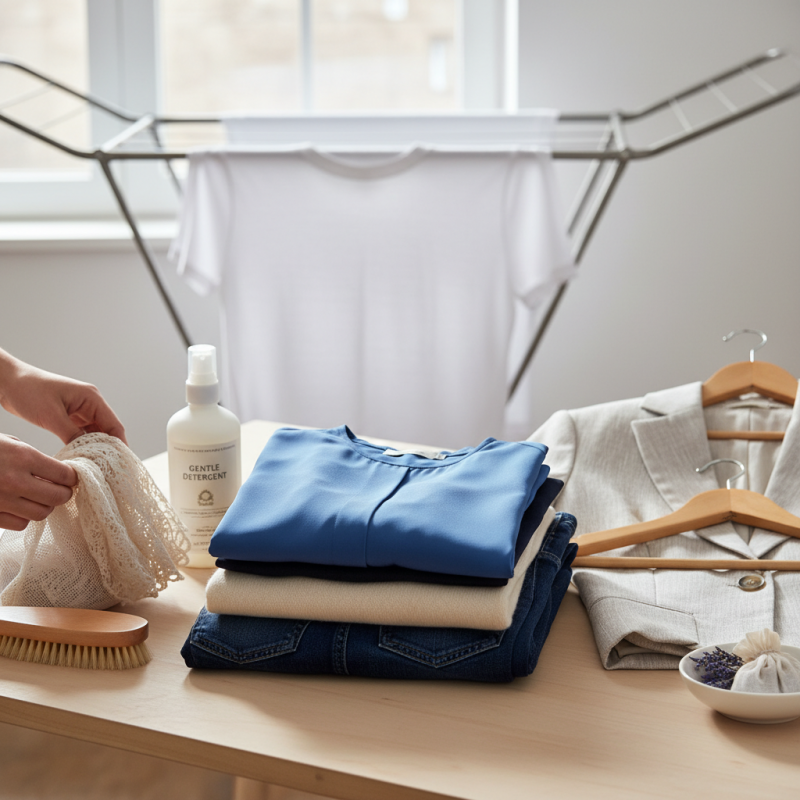
Taking care of fabrics is essential for the longevity of your clothes. "Why is fabric care important for clothes?" This question highlights a crucial aspect of maintaining your wardrobe. Proper care helps prevent wear and tear. It also keeps colors vibrant and textures intact.
When you ignore fabric care, your clothes may suffer. Stains can set in, and fibers can weaken. This can result in costly replacements over time. Understanding different fabrics is vital. For example, silk requires a gentler touch compared to denim.
Every garment deserves attention. Washing, drying, and storing properly can make a significant difference. Sometimes, it's easy to forget. You might toss your clothes in the wash without a second thought. Yet, small actions lead to big changes. Caring for your fabrics is an investment, not a chore.
The Importance of Fabric Care in Extending Garment Lifespan
Proper fabric care is crucial for extending the lifespan of your garments. According to a report by the International Textile and Apparel Association, proper care can increase the lifespan of clothes by up to 50%. Many people overlook the importance of washing, drying, and storing techniques. Each fabric type requires specific care methods to maintain its quality. Cotton might withstand hot water, while wool needs gentle treatment to avoid shrinking. Neglecting these details can lead to unnecessary wear and tear.
When washing clothes, it's essential to separate colors from whites. This simple tip prevents dye transfer, which can ruin a favorite shirt. Use cold water for delicate fabrics. Hot water can weaken fibers over time. Air-drying is preferable for most items. However, be mindful of how sunlight can fade colors.
Regularly check for stains before they set in. Treating stains immediately increases the chances of removal. Fabrics like silk need special stain removers that won't damage their texture. Additionally, consider investing in garment bags for long-term storage. They offer protection against dust and pests. Proper fabric care is not just about aesthetics; it’s a reflection of respect for the clothes we wear and their impact on the environment.
Common Fabric Types and Their Specific Care Requirements
Caring for different fabric types is essential for maintaining your clothing. Each fabric has its own unique needs. For example, cotton is durable and easy to clean, but it may shrink in hot water. Always wash it in cold water to protect its shape and size. Linen, on the other hand, requires gentle washing. It wrinkles easily, so air-drying is best to maintain its integrity.
Wool is another fabric with specific care requirements. It can shrink if exposed to hot water or agitation. Hand wash or use a wool cycle in the washing machine. Don't forget to lay it flat to dry. Silk is delicate and often needs dry cleaning. If you do wash silk at home, use cold water and a gentle detergent. These small steps make a big difference in the longevity of your garments. It’s worth taking a moment to rethink how you care for each type of fabric.
How to Care for Fabrics and Why It Matters for Your Clothes?
| Fabric Type |
Care Instructions |
Why It Matters |
| Cotton |
Machine wash in cold water, tumble dry low |
Prevents shrinkage and maintains fabric softness |
| Wool |
Hand wash or dry clean, lay flat to dry |
Avoids felting and retains natural oils |
| Silk |
Dry clean or hand wash in cold water, hang to dry |
Preserves luster and prevents damage to fibers |
| Polyester |
Machine wash in warm water, tumble dry medium |
Resists wrinkles and maintains shape, easy to care |
| Linen |
Machine wash in cold water, iron while damp |
Minimizes creasing and maintains breathable quality |
| Rayon |
Hand wash in cold water, hang dry away from sunlight |
Reduces the risk of shrinkage and color fading |
Understanding Washing Symbols: Decoding Care Labels for Your Clothes
When it comes to clothing care, understanding washing symbols is crucial. These symbols provide valuable instructions about how to clean your garments properly. According to a recent survey, nearly 40% of consumers misunderstand care label symbols. This leads to damaged clothes and wasted money. Knowing what each symbol means can help you preserve your favorite items for longer.
For example, a symbol of a tub with water indicates machine washing. The number inside the tub signifies the maximum temperature. A hand in the tub means delicate hand washing is required. Ignoring these tips could ruin fabrics. Fabric types, like silk or wool, have specific needs. Misinterpretation can lead to shrinking or discoloration.
Tips: Always check the care label before washing. If unsure, use cold water settings. Avoid frequent washing to maintain fabric quality. Recognize that some garments may require dry cleaning, which helps keep them pristine. This awareness can save you time and money in the long run. Remember, investing effort in understanding these symbols pays off. It ensures your wardrobe remains as vibrant and fresh as the day you bought it.
Industry Statistics on Fabric Damage from Improper Care Practices
Improper care for fabrics is a common issue that leads to significant damage. Industry statistics reveal that around 30% of clothing is ruined due to incorrect washing practices. Many overlook the labels on their garments. Some fabrics require delicate handling, while others can withstand vigorous washes. Ignoring these details often results in faded colors and misshapen garments.
Moreover, heat settings are frequently mismanaged. High temperatures can shrink certain fabrics, causing them to lose their original fit. Reports indicate that nearly 25% of consumers do not check water temperatures before washing. This lack of awareness contributes to a cycle of fabric damage that could easily be avoided. Simple changes can make a notable difference in fabric longevity.
It's easy to get lost in the routine of laundry. Yet, we must recognize the impact of neglecting fabric care. Each mishap teaches us something about how to treat our clothes better. A few thoughtful adjustments can extend the life of your favorite pieces and reduce waste. Investing time in proper care is not just beneficial; it is necessary.
Eco-Friendly Fabric Care: Sustainable Practices for Conscious Consumers
Caring for fabrics is essential for prolonging the life of your clothes. Eco-friendly fabric care is a conscious choice that benefits both you and the planet. Simple practices can make a big difference. Washing with cold water saves energy and helps maintain fabric quality. Consider using plant-based detergents. They are gentler on materials and reduce chemical runoff.
Drying clothes naturally is another sustainable option. It helps avoid the wear caused by dryers. Hanging garments in fresh air can also eliminate odors without harsh chemicals. Remember to repair instead of discard. Small tears or loose seams can often be fixed with a needle and thread. This not only saves fabric but promotes mindful consumption.
However, many consumers overlook these practices. Fast fashion often leads to careless treatment of textiles, resulting in waste. By adopting eco-friendly habits, we can all contribute to a healthier planet. Each small change in how we care for fabrics can have a lasting impact. Let’s reflect on our current habits and make better choices.
Conclusion
Caring for fabrics is crucial in extending the lifespan of garments. Proper fabric care practices help maintain the integrity and appearance of clothing, ultimately saving consumers money and reducing waste. Understanding why is fabric care important for clothes involves recognizing the specific needs of different fabric types and adhering to care labels. Each fabric has unique maintenance requirements that, when ignored, can lead to irreversible damage.
Additionally, studies indicate a significant percentage of fabric damage results from improper care practices. By educating consumers about washing symbols and promoting eco-friendly care methods, we can foster more sustainable habits. Conscious fabric care not only benefits individual wardrobes but also contributes positively to environmental efforts by minimizing the impact of textile waste.
 Berrie Clothes