In the fast-paced world of fashion, one question stands out: "Why do trends change so fast in fashion?" The year 2026 has seen a whirlwind of styles, colors, and inspirations that seem to appear overnight. Social media is a driving force, allowing trends to spread rapidly. Platforms like TikTok and Instagram amplify new looks, as influencers showcase diverse fashion choices.
Another factor is consumer demand for novelty. Shoppers increasingly seek unique pieces that reflect their individuality. Fast fashion brands respond quickly, often with little consideration for sustainability. This has led to a cycle of constant change that leaves many questioning the direction of fashion. While versatility is celebrated, there’s a growing concern about disposable culture.
Moreover, the fashion industry faces pressure to innovate amidst global challenges. From climate change to socio-political movements, it’s a reflection of what society values. Yet, this speed can blur the lines between genuine creativity and mere replication. In the quest for the next big trend, are we sacrificing quality for quantity? As we navigate through this evolving landscape, the key remains in understanding the balance between expression and responsibility.
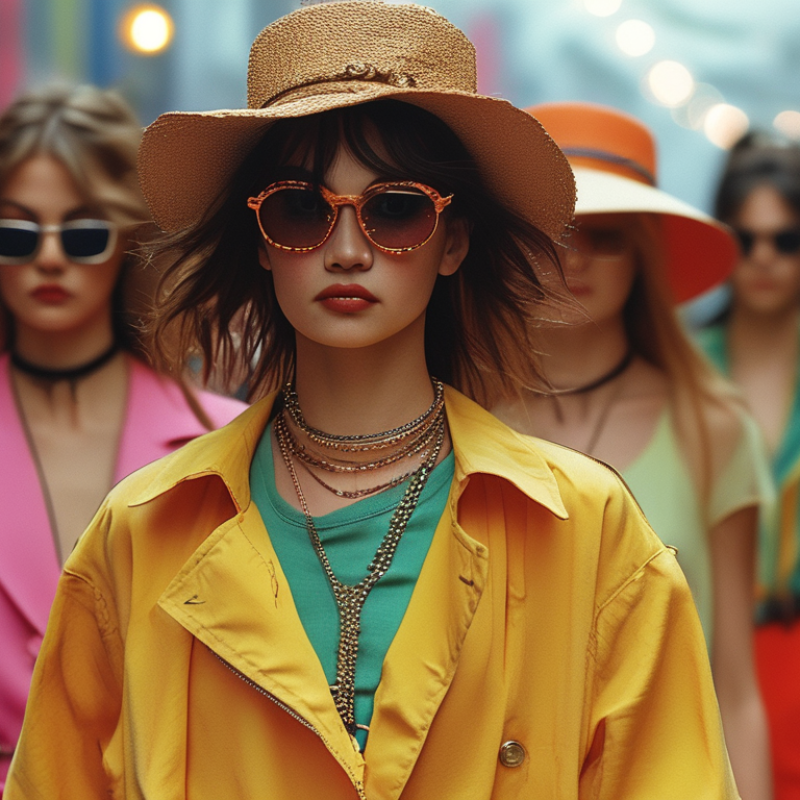
In 2026, social media influencers are driving fashion trends like never before. Their vast reach allows them to set and change trends almost instantaneously. Platforms like TikTok and Instagram play a crucial role in this rapid evolution. A single post can spark a wave of new styles, leading to swift changes in consumer preferences.
Tips for following trends: Stay true to your style. Not every trend suits everyone. Experiment with different looks but keep your personality in focus. Small changes can make a big difference. Consider thrift stores for unique pieces that won't break the bank. They offer gems from previous seasons that can complement current trends.
This fast-paced environment can induce stress. Influencers present an idealized version of style that might not be attainable for everyone. It’s essential to reflect on how much pressure you feel to conform. Fashion should inspire, not overwhelm. Remember, authenticity is key to building a wardrobe you'll love.
In 2026, fashion trends are evolving at an unprecedented pace, significantly influenced by technological innovations. Artificial intelligence and data analytics have transformed how brands predict and respond to trends. A recent report from McKinsey indicates that 68% of consumers are influenced by social media when making purchasing decisions, driving brands to adapt rapidly. This fast-tracked cycle creates a constant state of flux, with trends appearing and disappearing within weeks.
The rise of sustainable practices is also shaping the landscape. Brands are now leveraging blockchain technology to enhance transparency and traceability in their supply chains. Nielsen reports that 66% of global consumers are willing to pay more for sustainable goods. This trend compels brands to innovate quickly while prioritizing eco-friendliness. However, the fast-fashion paradigm raises questions about the longevity of these trends. The constant change can lead to overconsumption and waste.
**Tip:** Embrace wardrobe versatility. Invest in timeless pieces that transcend fleeting trends.
As fast fashion thrives, consumer behavior continues to shift. The accessibility of 3D printing technology allows for on-demand production, significantly reducing waste. Yet, this model raises ethical considerations regarding labor practices in production. Brands must reflect on their impact and strive for fair treatment across supply chains.
**Tip:** Stay informed about the brands you support. Research their practices to align with ethical consumption.
In 2026, consumer behavior has shifted dramatically. The demand for instant gratification is shaping fashion choices. People now seek quick trends that satisfy their immediate desires. This shift is largely due to the influence of social media. Platforms make it easy to share the latest styles, creating a rapid cycle of trends. One outfit can go viral overnight, forcing brands to adapt quickly.
Many shoppers prioritize immediacy over quality. Fast fashion dominates, leading to a culture of disposability. Items are often worn just a few times before being discarded. This raises questions about sustainability. The impact on the environment is a growing concern. Additionally, the constant chase for the newest styles can cause anxiety among consumers. They feel pressured to keep up with their peers. Authentic self-expression can be lost in this relentless race.
Navigating this fast-paced environment requires careful reflection. Shoppers should consider their values when making choices. Mindful consumption is crucial amid the noise of trends. By focusing on personal style over fleeting fads, individuals can reclaim their fashion narrative. This way, the essence of clothing—self-expression—can shine through, even in a world obsessed with speed.
In 2026, the fashion industry faces a critical challenge: balancing rapid trend changes with sustainability demands. Recent reports indicate that fast fashion contributes to 92 million tons of waste annually. Consumers are becoming more conscious of their environmental footprint. This shift influences designers, pushing them towards sustainable materials and methods.
Some brands are rushing to keep up with trend cycles, releasing new collections every few weeks. An industry study highlights that over 60% of millennials prioritize sustainability when shopping. However, the quick turnover often leads to lower quality and more waste. Many consumers find themselves drawn to trendy fast fashion pieces, yet they question the long-term impact of such choices.
Brands that emphasize sustainability struggle to gain traction. Reports show that only 17% of consumers have switched to sustainable fashion brands. The challenge lies in educating consumers while keeping them engaged with evolving trends. Fashion houses must address this dichotomy carefully, as the demand for immediate gratification often clashes with the need for thoughtful consumption.
| Trend Category | Percentage of Consumers Affected | Sustainability Rating (1-5) | Average Duration (Months) |
|---|---|---|---|
| Fast Fashion | 65% | 2 | 3 |
| Sustainable Fashion | 40% | 5 | 12 |
| Digital Fashion | 30% | 3 | 1 |
| Vintage/Second-Hand | 25% | 4 | 10 |
| Minimalism | 15% | 5 | 9 |
The year 2026 is marked by rapid fashion shifts driven by globalization and cultural exchange. Consumers now have instant access to diverse cultural influences from around the world. According to a report by McKinsey & Company, 70% of fashion brands have altered their strategies to adapt to this climate. This constant evolution responds to a consumer base that craves novelty and variety.
Social media platforms play a vital role in this swift fashion evolution. They allow trends to permeate borders in seconds. TikTok and Instagram have become the go-to spaces for trend dissemination. A survey by Statista shows that 35% of respondents discovered new fashion trends through these platforms. The immediacy of influencers’ recommendations often creates a cycle where styles rise and fall within weeks, leaving little room for reflection on lasting appeal.
Despite the benefits of this interconnectedness, it raises questions about sustainability. The fast-paced nature of trend cycles often leads to increased waste and overproduction. Reports indicate that the fashion industry is responsible for about 10% of global carbon emissions. This paradox highlights the challenge of balancing creativity with environmental responsibility in an increasingly globalized marketplace.
: Influencers now set and change trends quickly, impacting consumer preferences almost instantly.
Stay true to your style. Not all trends suit everyone, so focus on what fits you best.
Thrift stores offer unique pieces from past seasons that can enhance your current styles affordably.
Influencers often showcase idealized styles, which can create pressure to conform. Reflect on your feelings.
The influence of social media encourages quick trends that satisfy immediate consumer desires.
Fast fashion promotes disposability, raising concerns about environmental impact and the culture of quick consumption.
Focus on your personal style rather than fleeting trends, which allows for authentic self-expression.
It's being aware of your values when making fashion choices, prioritizing quality over trendy items.
A relentless chase for new styles can overshadow individual expression, making reflection essential.
Consider the long-term impact and how often you'll actually wear the items before buying.
In 2026, the fashion industry is experiencing unprecedented changes, leading to the question: "Why do trends change so fast in fashion?" Social media influencers play a pivotal role in this rapid evolution, as they set and spread trends at lightning speed, engaging consumers through interactive platforms. Additionally, technological innovations, such as AI-driven design and fast manufacturing processes, further accelerate the production cycle, allowing brands to respond swiftly to consumer preferences.
Shifts in consumer behavior towards instant gratification also contribute to this phenomenon, where today's shoppers crave immediate access to the latest styles. However, this quick pace raises concerns about sustainability within the industry, creating a dilemma between maintaining eco-friendly practices and meeting the demand for rapid changes. Globalization and cultural exchange amplify these dynamics, enabling trends to cross borders and evolve quickly. As a result, the fashion landscape in 2026 is one characterized by continuous change and adaptation to the fast-paced social and technological environment.

Berrie Clothes