10 Essential Tips for Choosing Colors That Flatter Your Skin Tone?

Time:2026-04-29 Author:Charlotte
0%

Choosing the right colors can transform your appearance and boost your confidence. It’s a common question: "What colors look best on my skin tone?" Understanding your unique complexion is essential. Different tones can enhance or clash with the colors you wear. The wrong shade can wash you out or highlight imperfections.

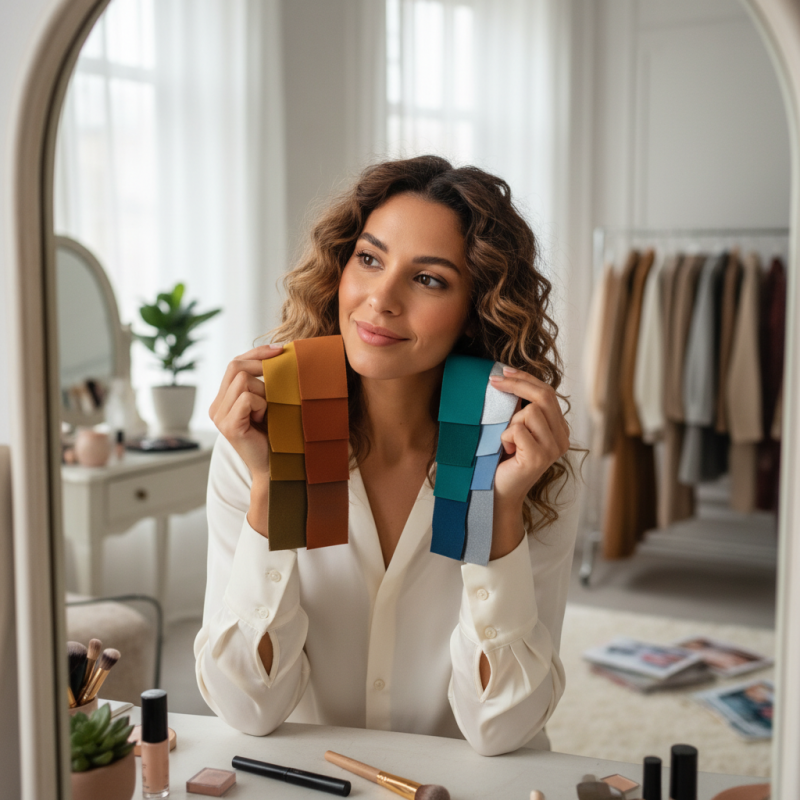
Consider your underlying skin tone. Are you warm, cool, or neutral? This classification helps narrow down suitable colors. For instance, warm tones often look great in earthy hues. In contrast, cool tones may shine in blues and purples. Experimenting with color swatches can reveal surprising favorites.

Remember, this process can be subjective. What suits one person may not flatter another. Don’t hesitate to seek advice from professionals or trusted friends. Think about the colors that draw attention to your features. Reflect on how certain shades make you feel. Embrace the journey of discovering what truly complements your skin tone.
10 Essential Tips for Choosing Colors That Flatter Your Skin Tone?

Understanding Skin Tones: The Basics of Warm, Cool, and Neutral

Understanding your skin tone is crucial when selecting colors that enhance your overall appearance. Skin tones can be broadly categorized into three main types: warm, cool, and neutral. Identifying your skin tone lays the foundation for choosing colors that complement your natural beauty. Warm tones typically exhibit a golden or yellow hue, often seen in individuals with golden undertones. Cool tones, on the other hand, present a pink or blue undertone, making colors like blue and green pop. Neutral tones blend both warm and cool characteristics, allowing for greater color flexibility.

Determining your skin tone may not always be straightforward. Lighting conditions can influence how colors appear against your skin. For example, natural daylight is most revealing. Testing jewelry—gold typically flatters warm tones while silver enhances cool tones—can also provide hints. Watch for personal preferences, too; sometimes, our favorite shades don't align perfectly with our skin’s undertone. Take time and experiment; it’s all about discovering what works for you. You may find certain colors that seem to match aren’t as flattering as you expected. It’s a journey of trial and reflection. Embrace the process, and don’t shy away from reevaluating your choices.

The Color Wheel: Using Complementary Colors to Enhance Your Look

The color wheel is a powerful tool for anyone looking to enhance their appearance. Understanding complementary colors can make a significant difference in how your skin tone appears. Complementary colors are located opposite each other on the color wheel. When paired, they create a striking balance that can highlight your natural beauty.

For warm skin tones, colors like deep blues or cool greens can add a stunning contrast. They bring out warmth without overwhelming your complexion. On the contrary, individuals with cool skin tones should consider warmer shades like peach or rich coral. These hues can illuminate your features and make your skin look vibrant. Play with different combinations to find what feels right. It’s about trial and error, and your preferences may evolve over time.

Don’t hesitate to experiment with colors outside your comfort zone. Sometimes, the unexpected choices can yield the best results. Reflect on how certain colors make you feel. Do they boost your confidence or make you feel bland? Listening to your instincts is crucial. Your unique journey in color exploration will help you develop a palette that truly flatters your skin tone.

10 Essential Tips for Choosing Colors That Flatter Your Skin Tone

Seasonal Color Analysis: Discover Your Best Palette for Each Season

Choosing the right color palette is vital for enhancing your appearance. Seasonal color analysis simplifies this process. It categorizes colors into four seasons: Spring, Summer, Autumn, and Winter. Each season reflects different undertones and shades that complement your natural skin tone.

Spring colors are bright and warm. Think of soft pastels like peach and mint green. These hues light up the skin, making you appear fresh. In contrast, Summer incorporates cool tones. Light blues, lavender, and rosy pinks work well for those with cool undertones. These soothing colors help create a calm and approachable vibe.

Autumn is rich and earthy. Warm, deep colors like mustard and olive resonate beautifully with warm undertones. Finally, Winter colors are bold and vibrant. Jewel tones like emerald green and sapphire blue grab attention. Each palette helps you stand out, but exploring the right ones may be a journey. You might find some colors don’t suit your expectations. Reflect on how each color makes you feel and look. This personal exploration is key to discovering your best palette.

Undertones vs. Overtone: How to Identify What Works for You

Undertones play a crucial role in selecting colors that enhance your beauty. While overtone refers to the surface color of your skin, undertones are the subtle hues beneath. They generally fall into three categories: cool, warm, and neutral. About 60% of individuals have warm undertones, so choosing colors like earthy tones can be more flattering. Conversely, cool undertones benefit from icy hues and jewel tones, bringing out a radiant glow.

Identifying your undertone can be tricky. Look at your veins: blue suggests a cool undertone and green indicates warmth. Many professionals recommend testing colors against your skin. Hold pieces of fabric or clothing up to your face to observe what complements your complexion best. A study by Color & Design Experts found that 75% of people feel more confident when they wear colors that suit their undertone.

When in doubt, consider these tips:

  • Experiment with color swatches. Soft pastels can enhance any skin tone without overpowering it.
  • Additionally, try wearing colors close to your face while keeping your makeup neutral.
  • It’s essential to reflect on how different shades make you feel.

Remember, the best colors are those that make you shine, not simply those that are trendy. Explore your palette wisely.

Professional Insights: Tips from Color Theorists and Fashion Experts

Choosing colors that enhance your skin tone is a nuanced task. Color theorists emphasize that understanding your undertone is crucial. There are warm, cool, and neutral undertones. A 2021 report by the Color Association of the United States highlighted that 70% of people struggle to identify their undertone correctly. This leads to mismatched colors.

One effective tip is to explore the color wheel. Complementary colors often boost your natural beauty. Try rich earth tones if you have warm undertones. Jewel tones can make cool undertones pop. Fashion experts suggest testing shades in natural light, as fluorescent bulbs can distort colors.

Don’t shy away from experimentation. Some combinations may seem unflattering initially. However, the right accessories can elevate your look. Data suggests that wearing colors that resonate with your skin can improve confidence by 30%. Keep adjusting until you find what works for you.

10 Essential Tips for Choosing Colors That Flatter Your Skin Tone

Tip Number Tip Description Suitable Skin Tones Recommended Colors
1 Identify your undertone Warm, Cool, Neutral Warm: Golds, Yellows; Cool: Blues, Pinks; Neutral: Soft Reds
2 Consider color intensity Light, Medium, Deep Light: Pastels; Medium: Jewel Tones; Deep: Bold Colors
3 Play with color contrast All skin tones Contrasting colors to make features pop
4 Layer colors strategically All skin tones Use neutrals as a base with pops of color
5 Test colors against your skin All skin tones Try swatches in natural light
6 Incorporate accessories All skin tones Use scarves, jewelry to add color
7 Embrace seasonal colors Varies by season Warm tones in fall, Cool shades in winter
8 Understand color symbolism All skin tones Colors convey emotions, choose wisely
9 Seek professional advice All skin tones Consult color theorists or stylists
10 Have fun experimenting All skin tones Don’t be afraid to try new shades

FAQS

: What is seasonal color analysis?

: Seasonal color analysis categorizes colors into Spring, Summer, Autumn, and Winter, helping you enhance your appearance.

How do Spring colors affect my look?

Spring colors are bright and warm. They include soft pastels like peach, making your skin look fresh.

What types of colors suit Summer individuals?

Summer incorporates cool tones like light blue and lavender, which create a calm and approachable vibe.

What colors are associated with Autumn?

Autumn colors are rich and earthy, featuring deep shades like mustard and olive that flatter warm undertones.

How do Winter colors stand out?

Winter colors are bold, with jewel tones like emerald green capturing attention and enhancing your overall appearance.

How can I identify my undertone?

Look at your veins; blue suggests cool undertones while green indicates warm. Testing fabric against your face helps too.

Why is reflecting on colors important?

Reflecting on how colors make you feel is key. It helps identify shades that truly suit you and enhance your beauty.

Can I experiment with colors that seem unflattering?

Yes, some colors may seem off initially. Accessories can elevate looks, so keep experimenting until you find your match.

How does wearing the right colors affect confidence?

Wearing colors that resonate with your skin can enhance confidence by about 30%. It's all about finding what works for you.

Conclusion

Choosing colors that flatter your skin tone can significantly enhance your appearance and boost your confidence. First, it's essential to understand the basics of skin tones, which fall into three categories: warm, cool, and neutral. By learning how to identify your undertones versus overtones, you can better determine what colors look best on your skin tone. Utilizing the color wheel can help in selecting complementary hues that will highlight your natural beauty.

Additionally, seasonal color analysis offers insights into your best color palette for each season, enabling you to adapt your wardrobe as needed. Paying attention to professional insights from color theorists and fashion experts can further refine your choices. Ultimately, knowing "what colors look best on my skin tone" leads to a more harmonious and flattering wardrobe, allowing you to express your style with confidence.

Charlotte

Charlotte

Charlotte is a seasoned marketing professional with a deep understanding of the company's portfolio and a passion for elevating its presence in the market. With a keen eye for detail and a commitment to excellence, she ensures that our professional blog is regularly updated with insightful articles......