How to Easily Mix and Match Clothes for Any Occasion?

Time:2026-09-03 Author:Amelia
0%

In today’s fast-paced world, mastering the art of dressing is essential for a polished image. Understanding how to mix and match clothes easily can elevate your style and save you time. According to a report by the Bureau of Labor Statistics, Americans spent an average of $1,800 on clothing in 2020, underscoring the importance of making thoughtful choices.

Fashion experts suggest that effective outfit combinations can maximize wardrobe potential. For instance, incorporating versatile pieces such as a classic blazer or well-fitted jeans can create various looks with minimal effort. Yet, many struggle with finding the right pairings. A survey by Statista revealed that 45% of individuals feel overwhelmed by clothing options. To simplify the process, start with a color palette that reflects your style.

Embracing the concept of "capsule wardrobes" can also reduce overwhelm. A well-curated selection of basic items permits multiple outfit variations. However, many fall into routine dressing habits. This calls for reflection: have you explored enough combinations? By thoughtfully curating your wardrobe, you can not only enhance your style but also feel more confident in any situation.
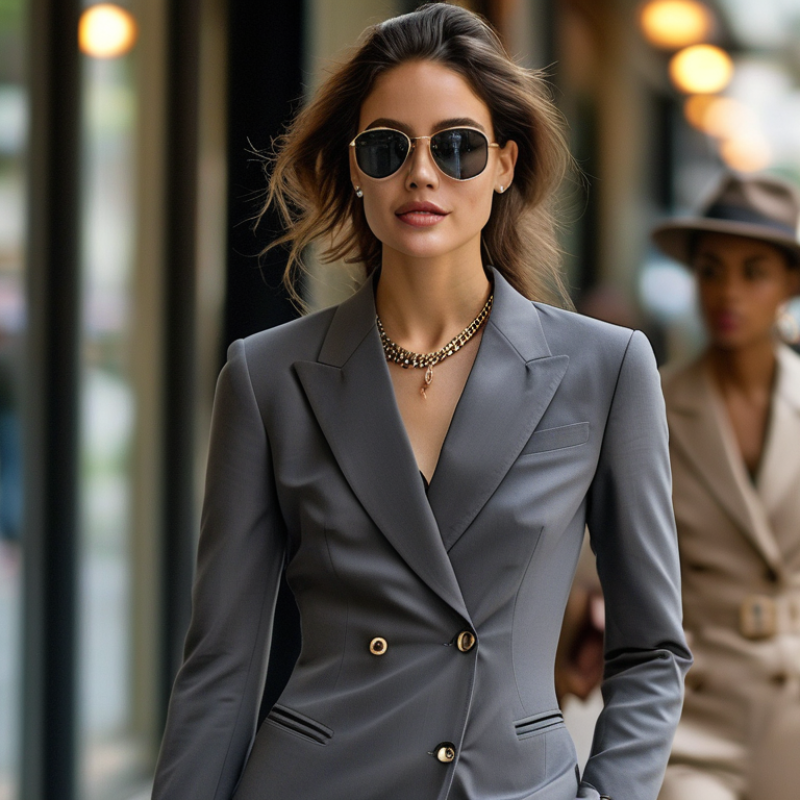
How to Easily Mix and Match Clothes for Any Occasion?

Understanding the Basics of Color Theory in Fashion Coordination

Understanding color theory is essential for successful fashion coordination. Knowing how colors interact can transform an outfit from mundane to exceptional. Studies show that 85% of consumers make purchases based on color alone. This highlights the power of color in fashion choices.

When mixing and matching clothes, consider the color wheel. Complementary colors, such as blue and orange, create vibrant contrasts. Analogous colors, like blue, green, and teal, offer harmony. Balance is key; too many bold colors can clash and overwhelm. A study by the Pantone Color Institute reveals that colors can evoke emotions. For instance, blue often conveys trust, while red evokes passion. Use these associations to reflect your mood or the occasion.

One effective tip is to start with a neutral base. A white or black top provides flexibility. Add a pop of color through accessories. This approach allows easy transitions from casual to formal wear. Remember, not every combination will work. It might take time to find the perfect match. Experimenting with different palettes can help you develop your unique style.

Essential Wardrobe Pieces for Versatile Outfit Creation

When it comes to versatile outfits, essential wardrobe pieces are crucial. A reliable report from the American Apparel & Footwear Association found that consumers only wear 20% of their wardrobe regularly. This statistic highlights the importance of carefully chosen staples that can be mixed and matched. Classic items like a white button-down shirt, tailored jeans, and a little black dress can create numerous looks for various occasions.

Consider the white button-down shirt. It can be dressed up with a blazer for a business meeting or paired with jeans for a casual outing. Tailored jeans provide a polished yet relaxed vibe, suitable for brunch or a casual office environment. A versatile dress can transition from day to night with the right accessories, showcasing adaptability without requiring a complete outfit overhaul.

However, it's essential to reflect on personal style and fit. Not every piece will suit every individual perfectly, and shopping mindfully can prevent wardrobe clutter. Investing in quality over quantity is key. Aim for fewer, better-made pieces that truly resonate with your style. The goal is to ensure each item has a purpose, thus enhancing outfit combinations while reducing unnecessary purchases. Remember, simplicity often yields the most impactful results in fashion.

How to Choose Fabrics for Different Occasions and Comfort

Choosing the right fabrics for various occasions is essential for both comfort and style. According to a report by the Textile Institute, around 70% of shoppers consider fabric types when making clothing purchases. Natural fibers like cotton and linen are preferred for casual settings. They offer breathability and comfort, making them ideal for warm weather.

When it comes to formal events, synthetic fibers such as polyester and nylon often take the lead. A study by the Fashion Institute indicates that these materials wrinkle less and retain their shape better. However, it's important to remember that not everyone feels at ease in synthetic blends. Some might find them restrictive, leading to discomfort during the event. Exploring a mix of fabrics can provide a balanced approach, catering to personal comfort preferences while ensuring an appropriate look.

Layering also plays a significant role in fabric choice for varying temperatures. Fabrics like merino wool can provide warmth without bulk. Yet, it’s crucial to consider personal sensitivity to textures. A fabric that feels luxurious to one person may irritate another. Understanding your own comfort zones can lead to more thoughtful clothing choices for every occasion.

How to Easily Mix and Match Clothes for Any Occasion?

Occasion Recommended Fabrics Comfort Level Mix & Match Tips
Casual Outing Cotton, Linen High Pair a linen shirt with cotton shorts for a cool look.
Business Meeting Wool, Polyester Medium Choose a wool blazer paired with polyester trousers.
Formal Event Silk, Satin Low Wear a silk gown with satin accessories for an elegant touch.
Outdoor Activity Nylon, Spandex High Opt for nylon activewear that allows flexibility and comfort.
Date Night Cotton Blend, Chiffon Medium Combine a chiffon top with a cotton blend skirt for a chic vibe.

Utilizing Accessories to Transform Everyday Looks Effectively

Accessories play a crucial role in transforming everyday looks. According to a report by the Global Fashion Agenda, accessories can elevate an outfit by over 70%. This statistic emphasizes their importance in personal style. A simple pair of statement earrings or a bold necklace can change the vibe of a basic outfit. Incorporating these pieces allows for endless customization.

Layering is a game-changer. A lightweight scarf can add depth to a monochrome ensemble. Similarly, a well-placed belt can define your waist and enhance your silhouette. This strategy works well for various occasions. Imagine wearing a relaxed dress. With a few strategic accessories, it can shift from casual to chic in seconds.

Mixing and matching should feel intuitive, not forced. Though it may take time to find what works best for you, experimenting is essential. Create a small section for accessories in your closet. This makes it easier to integrate new pieces into your wardrobe. Pay attention to color palettes and textures that resonate with you. Keep a list of combinations you love, and revisit them often to inspire future outfits.

Analyzing Seasonal Trends for Smart Mixing and Matching Choices

When it comes to mixing and matching clothes, understanding seasonal trends is key. Reports from the fashion industry show that 70% of consumers make their purchasing decisions based on seasonal color palettes and trends. For example, autumn hues like deep oranges and muted greens dominate fall collections, making them perfect for layering. Incorporating these colors can help create versatile looks appropriate for both casual outings and formal events.

The fabric choice also impacts how effectively items can be combined. According to a survey by the Fabric Council, 65% of shoppers prefer breathable materials for summer outfits. This preference can guide selections to lighter textures such as cotton and linen, which not only enhance comfort but also allow for fun, casual styling. However, creating balance in your wardrobe requires continuous effort. Understanding local climate variations helps in avoiding mismatched pieces that don't serve multiple functions.

Amid all this, it’s crucial to recognize that not every outfit will be a success. Seasonal trends can change rapidly, and personal comfort should always come first. A piece that looks great on the hanger might not translate well into real-life situations. Thus, being willing to experiment and adjust is essential. Keeping an eye on what styles resonate with your daily life can lead to smarter choices and a more coherent wardrobe.

Mix and Match Clothing Trends by Season

FAQS

: Why is color theory important in fashion coordination?

: Understanding color theory helps enhance outfit choices and appeals. Colors significantly influence consumer purchases.

What are complementary colors, and can you give an example?

Complementary colors create contrast. An example is blue and orange, which can make outfits vibrant.

How can I start building a versatile wardrobe?

Begin with essential pieces like a white button-down shirt and tailored jeans. These items are flexible for various occasions.

Should I focus on neutral colors for my base?

Yes, starting with neutrals like black or white is wise. You can easily add color with accessories.

What is a common mistake when mixing colors?

Using too many bold colors can overwhelm. It's better to balance out bright shades with softer tones.

How often do people wear their entire wardrobe?

Many people wear only 20% of their wardrobe regularly. Choose versatile items wisely to maximize usage.

Can personal style affect clothing choices?

Absolutely. What fits one person may not suit another. Reflecting on your style helps avoid unwanted purchases.

Why should I invest in quality over quantity?

Quality pieces last longer and enhance outfit combinations. You’ll need fewer items, reducing clutter in your wardrobe.

Is it okay to experiment with colors?

Yes, experimenting can help you discover what works for you. Not every combination will be perfect, but that’s part of the process.

How can emotions influence color choices in outfits?

Colors evoke feelings; for example, blue suggests trust, while red implies passion. Use these associations to reflect your mood.

Conclusion

In "How to Easily Mix and Match Clothes for Any Occasion," the article provides valuable insights on effortlessly creating versatile outfits suitable for various events. It begins by delving into the basics of color theory, highlighting how understanding color combinations can enhance any wardrobe. Essential wardrobe pieces, such as classic staples, are emphasized as key elements for versatile outfit creation.

The article also discusses the importance of selecting appropriate fabrics based on the occasion and personal comfort. Accessories play a crucial role in transforming everyday looks, allowing for effortless transitions from casual to formal. Additionally, analyzing seasonal trends offers strategic guidance for smart mixing and matching choices. Ultimately, readers will discover practical tips on how to mix and match clothes easily, ensuring they'll always look stylish, no matter the occasion.

Amelia

Amelia

Amelia is a seasoned marketing professional with a wealth of expertise in our company’s core offerings. With an unwavering passion for driving growth and innovation, she plays a pivotal role in shaping our marketing strategies and enhancing brand visibility. A key aspect of her responsibilities......