 Berrie Clothes
Best Fabrics for Sensitive Skin What Should You Choose?
Choosing the right fabric is crucial for those with sensitive skin. The wrong material can lead to irritation or discomfort. According to a recent report by the Dermal Institute, around 60% of people with sensitive skin experience fabric-related issues. Dr. Jane Miller, a dermatologist specializing in fabric allergies, stated, “Natural fibers like cotton and silk are often the safest options.”
What fabrics are best for sensitive skin? This question has led to extensive research. Many experts recommend soft, breathable materials that minimize irritation. Fabrics like bamboo, modal, and organic cotton are popular choices. These materials are gentle on the skin and help in maintaining comfort throughout the day. Yet, some individuals may still find even these options unsatisfactory.
While the industry provides valuable insights, personal experiences vary widely. Several users report that even natural fabrics can irritate their skin. Testing different fabrics is essential to discover what works best for each individual. In the quest for comfort, paying attention to textile composition is key. Being mindful about fabric choice can significantly enhance one's quality of life.
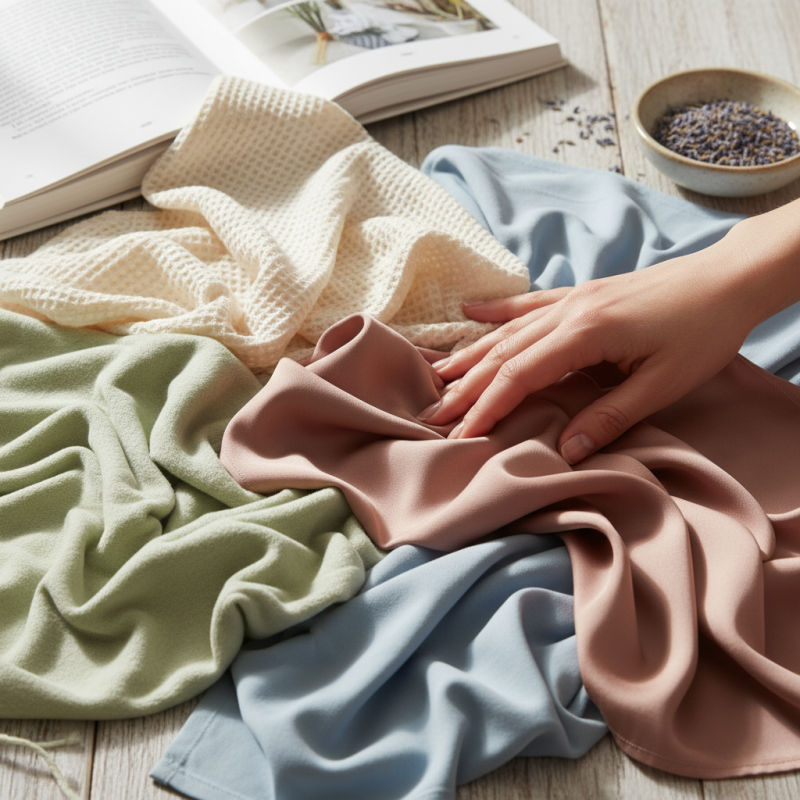
Understanding Sensitive Skin: Characteristics and Challenges
Sensitive skin reacts easily to various factors. It often appears red, dry, or irritated. People with this condition face daily challenges. Environmental changes, skincare products, and fabric types can worsen sensitivities.
Understanding the characteristics of sensitive skin is crucial. Many individuals experience discomfort from common fabrics. For instance, rough materials can cause itching. Synthetics often trap heat and moisture. This further aggravates skin conditions. Soft, breathable fabrics are essential for comfort. Cotton and linen are excellent choices for sensitive skin. They allow airflow and reduce irritation.
Finding the right fabrics requires some trial and error. Not every soft fabric works for everyone. Some may still react to natural fibers due to allergies. Understanding personal triggers can greatly help in making informed decisions. Individuals should be patient in their search. It’s an ongoing process of discovery and adaptability.
Best Fabrics for Sensitive Skin
| Fabric Type | Characteristics | Benefits for Sensitive Skin | Recommended Use |
|---|---|---|---|
| Cotton | Soft, breathable, natural | hypoallergenic, less irritating | Underwear, t-shirts |
| Bamboo | Silky, moisture-wicking, sustainable | Antibacterial, soft on skin | Sleepwear, bed sheets |
| Modal | Soft, lightweight, drapes well | Gentle on skin, breathable | Lingerie, blouses |
| Silk | Luxurious, smooth, natural | Hypoallergenic, reduces friction | Scarves, elegant dresses |
| Linen | Strong, breathable, absorbs moisture | Cooling, suitable for hot weather | Summer wear, casual clothing |
FAQS
: Breathability, softness, and safety are essential for comfort. They help maintain skin health and reduce irritation.
Breathable fabrics allow air circulation, maintaining optimal skin temperature and enhancing overall comfort.
Recommended fabrics include cotton, bamboo, and modal. They are soft, breathable, and less likely to irritate.
Softer fabrics reduce friction against the skin, minimizing discomfort and enhancing daily comfort levels.
Yes, test fabric swatches against your skin. Reactions can indicate potential irritants or allergies.
Choose materials free from harmful chemicals. Certifications like Oeko-Tex can ensure the textiles are safe.
Yes, synthetic fabrics can trap moisture and heat, leading to irritation, especially for sensitive skin.
Natural fabrics may shrink or wrinkle easily. Some may cause irritation, like wool, so it's important to test.
Listen to your body. If you experience discomfort, consider alternative fabrics that may suit your skin better.
Always wash new fabrics with a gentle detergent. Testing small pieces against your skin is also a useful practice.
Conclusion
When considering what fabrics are best for sensitive skin, it's essential to understand the unique characteristics and challenges faced by such skin. Sensitive skin often reacts negatively to rough textures and certain materials, which can lead to irritation. Key properties to seek in fabrics include breathability, softness, and safety to ensure comfort throughout wear.
Top recommended fabrics for sensitive skin include cotton, bamboo, and modal, as these natural materials are gentle and less likely to provoke reactions. A comparative analysis reveals that while synthetic fabrics might offer durability, they often lack the breathability and softness of their natural counterparts. To minimize skin irritation, individuals should focus on choosing the right fabrics and follow proper care routines to maintain their quality and comfort, enhancing the overall wearing experience for those with sensitive skin.
