Dressing appropriately for different occasions can be challenging. Every event comes with its own set of unwritten rules and expectations. Knowing how to dress appropriately for different occasions not only enhances your confidence but also reflects your respect for the host and the event itself.
A well-thought-out outfit can make a significant difference. Whether it’s a casual gathering or a formal ceremony, understanding the dress code is crucial. Consider the venue, the season, and the nature of the event when choosing your attire. However, many still struggle to balance personal style with appropriate choices. Mistakes can happen, like wearing jeans to a formal wedding.
To achieve the perfect look, pay attention to details. Accessories matter. Shoes can elevate an outfit from casual to chic effortlessly. Remember to reflect on past experiences to avoid wardrobe mishaps. Every occasion is a chance to express yourself, yet remain respectful of the environment.
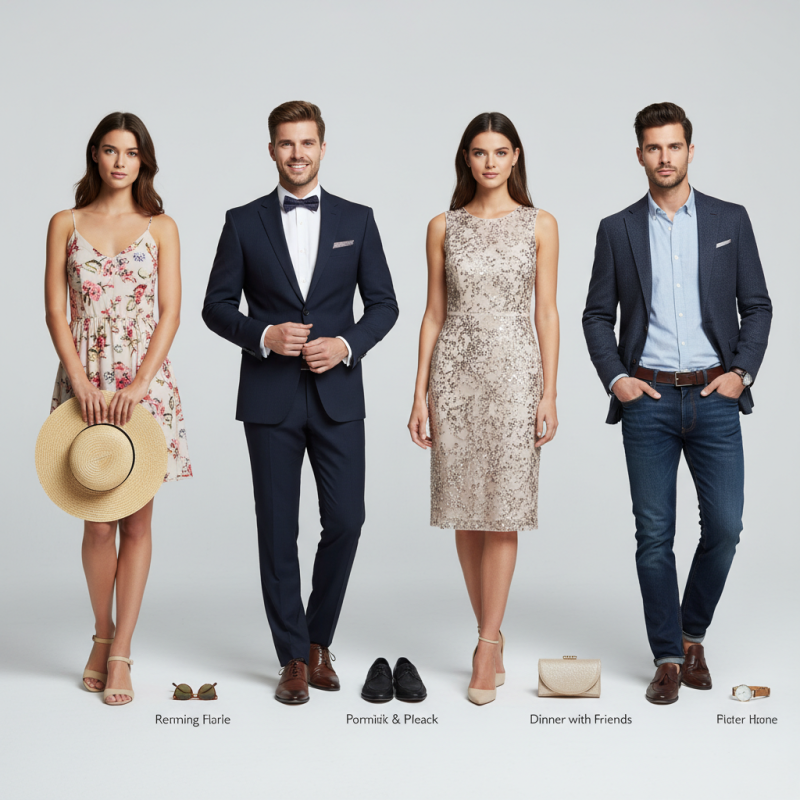
Understanding different dress codes is essential for navigating various occasions. Whether it’s a wedding, a corporate event, or a casual gathering, knowing how to dress appropriately can make a significant difference. Casual wear, for instance, allows for comfort but can sometimes lead to over- or under-dressing. A relaxed vibe doesn’t mean jeans and a t-shirt are always appropriate. Consider the setting and company present.
Formal attire requires a deeper understanding. Black-tie events demand elegance and sophistication. Men might wear tuxedos, while women often opt for long gowns. However, it’s important to tread carefully. A floor-length dress might seem ideal, but it could feel out of place in an intimate gathering. Recognizing these nuances can be challenging but crucial.
Smart casual strikes a balance between professional and relaxed. It often confuses many. A polished look is necessary, yet it's less rigid than formal styles. A blazer can elevate an outfit while retaining comfort. Remember, even within categories like this, context matters. What works at a tech startup may not be suitable for a fine dining experience. Reflecting on past choices helps refine understanding of dress codes for future occasions. Experimenting is part of the learning curve.
A versatile wardrobe is essential for dressing appropriately for any occasion. The key elements include staple pieces, versatile colors, and quality fabrics. Start by building a foundation with items like a tailored blazer, classic white shirt, and a pair of well-fitted jeans. These can be dressed up or down.
Tip: Invest in neutral colors. They mix and match easily. For example, a beige dress or navy trousers work for numerous events. Layering adds depth. A simple cardigan can transform an outfit from casual to smart.
Next, consider the fit. Clothing that doesn’t fit well can throw off the whole look. Always try on multiple sizes. Don’t hesitate to visit a tailor for adjustments. Even a minor change can elevate your style.
Tip: Keep accessories minimal but meaningful. A statement necklace or a structured bag can enhance an outfit. However, be cautious. Accessories can sometimes overpower your look. Choose wisely and reflect on what works for you. Understanding your style can make dressing for any occasion much easier.
Accessorizing can transform any outfit, whether it's for a formal gathering or a casual outing. A study by the Fashion Institute of Technology reveals that 72% of people believe accessories reflect personality. When choosing accessories, consider the occasion and your outfit's style. For a wedding, opt for delicate jewelry and elegant handbags. For a business meeting, a classic watch and minimalist earrings can convey professionalism.
Tip: Choose accessories that complement, not overpower. A simple dress can be elevated with a statement necklace, while a bold outfit might need subtle accents to balance it. Remember, less can be more. Overly complicated looks may cause confusion about your style intent.
Colors and textures matter. Earthy tones with metallics can enhance sophistication, while bright hues with playful elements can evoke fun. Data shows that outfits with cohesive accessories garner 25% more favorable opinions in social settings. When in doubt, layers of necklaces or stacking bracelets can add interest without overwhelming.
Tip: Don't be afraid to mix and match. Experimenting can lead to unexpected but appealing combinations. Reflect on past outfits: What worked? What didn’t? Dress for you, and let your accessories tell your story.
When it comes to dressing for any occasion, fabric and color selection is crucial. Fabrics can convey messages about formality and comfort. For instance, silk exudes elegance, making it ideal for weddings or formal events. On the other hand, cotton offers a casual vibe, perfect for relaxed weekend gatherings. Wool can be great for colder months, providing warmth and style in a tailored look.
Choosing the right color is equally important. Bright colors like red or yellow can energize a setting, making them suited for parties or celebrations. In contrast, muted tones such as navy or gray may lend a more serious, professional air, ideal for business-related events. Nonetheless, personal style should not be ignored. A well-chosen accessory can add flair but requires balance with the overall outfit.
Avoid overly complex combinations that might confuse the intended message. Sometimes, less is more. Mixing patterns can be tricky and may not always work out as planned. It's worth experimenting, but understanding when to stick to basics is vital. Reflect on your choices and how they align with the occasion. This awareness can lead to better outcomes in future dressing decisions.
When it comes to dressing for seasonal events, understanding the climate is crucial. A 2022 survey by the Fashion Institute reveals that 72% of people feel more confident when their attire matches the season. Choosing fabrics that breathe in summer or layering materials for winter can elevate comfort and style. For instance, linen is perfect for warm months, while wool blends work wonders in colder weather.
Tips: Pay attention to color palettes. Seasonal colors enhance your overall appearance. During fall, opt for earthy tones, while spring allows for brighter hues. Accessorizing appropriately also plays a role. Pairing your outfit with seasonal accessories can transform a look entirely.
When thinking about gatherings, remember the venue. Indoor events may require more polished attire, while outdoor gatherings can embrace casual elegance. Data from a recent style report indicates that 64% of individuals underestimate the impact of setting on outfit choice. Reflect on your options. Experiment with layers and textures, even if they aren't perfect. It’s about feeling good while adapting to the environment.
| Occasion | Season | Dress Code | Tips |
|---|---|---|---|
| Wedding | Spring/Summer | Formal | Choose light fabrics and floral prints. Avoid white. |
| Office Meeting | Fall/Winter | Business Casual | Opt for slacks and a blazer. Stick to neutral colors. |
| Cocktail Party | Summer | Semi-Formal | Wear a dress or tailored trousers with stylish accessories. |
| Casual Outing | Year-Round | Casual | Comfort is key: go for jeans and a nice top. |
| Outdoor Festival | Summer | Casual | Dress comfortably; consider sun protection and layers. |
| Funeral | Year-Round | Formal | Wear black or dark, subdued colors. Keep accessories minimal. |
: Understanding dress codes helps navigate different occasions and make appropriate dressing choices. It can impact your overall impression.
Casual wear allows for comfort. However, avoid assuming jeans and a t-shirt are always suitable. Consider the company's nature.
Formal attire demands elegance. Men often wear tuxedos, while women may choose long gowns. Context is crucial to avoid missteps.
Smart casual balances professional and relaxed looks. A polished appearance is necessary, yet it is more flexible than formal wear.
Fabrics convey messages. Silk is suitable for formal events, while cotton fits casual gatherings. Wool is great for colder months.
Color affects mood and perception. Bright colors energize settings. Muted tones convey professionalism, especially in business contexts.
Mixing patterns can be tricky. Aim for simplicity, as overly complex combinations may confuse the intended message. Less is often more.
Reflect on past choices. Experiment with different styles, and learn from each occasion. Awareness leads to better dressing decisions.
Accessories can enhance an outfit. Ensure they balance well with your overall look. A well-chosen piece adds flair without overwhelming.
Yes, feeling unsure is common. It’s part of the learning process. Reflecting on choices helps refine your style over time.
In "2026 Best Tips on How to Dress for Any Occasion," the article explores how to dress appropriately for different occasions by understanding diverse dress codes. It emphasizes the importance of recognizing the nuances in attire required for events ranging from formal gatherings to casual outings. Key elements of a versatile wardrobe are highlighted, including essential pieces that can be mixed and matched to suit various settings.
Furthermore, the article discusses the significance of accessorizing to elevate an outfit, tailoring choices to specific situations. It also provides valuable tips on selecting suitable fabrics and colors that align with the event's tone, as well as seasonal considerations to ensure a polished appearance year-round. By following these guidelines, readers can confidently navigate any occasion with appropriate and stylish attire.

Berrie Clothes