2026 Top Guide What Affects Clothing Durability?

Time:2026-11-14 Author:Mason
0%

A shirt can look sturdy on a hanger and still thin at the elbows after a season. What affects the durability of clothes is not one hidden quality, but a combination of fiber, fabric construction, sewing, use, and care. A tightly woven cotton may resist abrasion better than a loose one, while a strong fabric can still fail at weak seams. Small details matter.

Textile researcher Dr. Richard Blackburn’s work supports a useful expert takeaway: fiber choice matters, but a garment’s design and use also shape how it performs over time. This is a paraphrase, not a direct quotation. It is a helpful starting point, not a universal formula. In practice, fabric weight alone cannot promise long wear. A thick sweater may pill, and a fine shirt may hold up well when its yarns and seams are sound.

This guide looks closely at the factors behind clothing durability, from fiber strength and fabric structure to stitching, laundering, and everyday friction. You will learn what to inspect: loose seam allowances, thin patches under the arms, rough zipper edges, and care labels that call for gentle washing. Wear leaves evidence. Still, no checklist can predict every wardrobe, washing machine, or habit. That uncertainty is worth remembering. The goal is not to find an indestructible garment, but to understand why some clothes last longer—and how thoughtful choices can help.
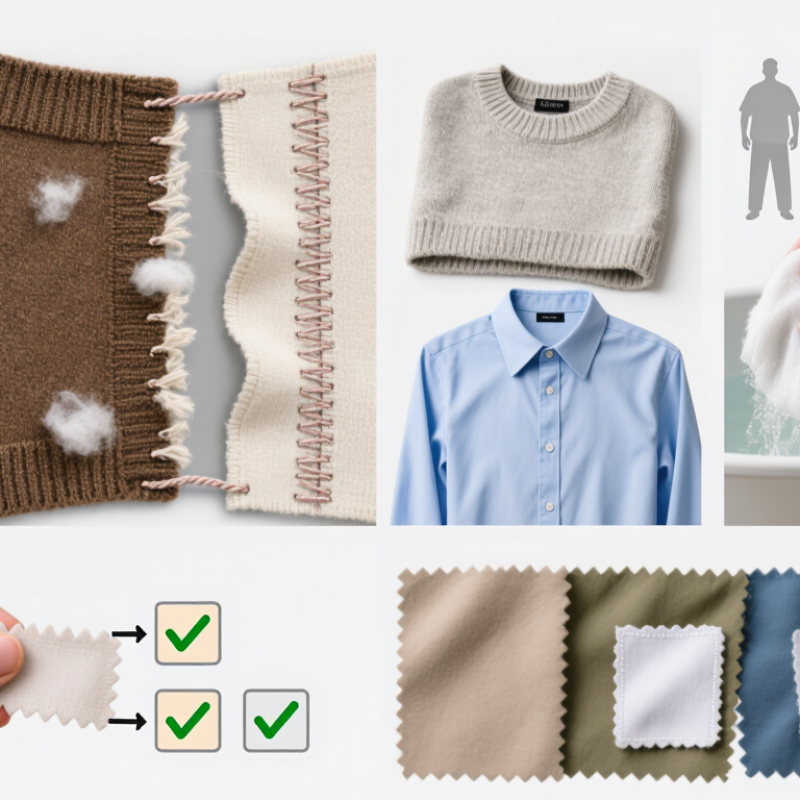
2026 Top Guide What Affects Clothing Durability?

What Clothing Durability Means and How It Is Measured

Clothing durability is the ability of a garment to keep working and looking acceptable through wear, washing, and storage. It is not simply a measure of thick fabric. A lightweight shirt may last well if its yarns, seams, and finishing suit its intended use. A coat faces different demands. Durability also depends on fit and care.

There is no single test that captures every kind of wear. Laboratories may rub fabric repeatedly to assess abrasion, stretch it until it breaks to measure strength, or check how much it pills. Seams can be tested for slippage, while colorfastness tests examine fading or dye transfer during washing and rubbing. These results help compare materials under controlled conditions. They do not predict every closet.

Real life is messier. A backpack strap can wear one shoulder, and a hot wash may change fabric faster than a gentle cycle. That matters. When reading a durability claim, look for the test method, number of wash cycles, and the specific property measured. A high abrasion score does not guarantee strong seams or lasting color. I would treat any single score as a useful clue, not a promise.

How Fiber and Fabric Choices Affect Garment Lifespan

Fiber choice shapes how a garment handles friction, moisture, heat, and repeated washing. Strong cotton can suit everyday shirts, while linen often feels cool but creases easily. Wool fibers can recover from stretching, though rough washing may shrink or distort them. Polyester resists many wrinkles and dries quickly, but heat can damage some fabrics. No fiber wins every test.

A fiber label is a clue, not a lifespan promise. Fabric construction matters too. Tightly woven cloth often resists abrasion better than a loose weave, while a dense knit may keep its shape longer than a flimsy one. Yet heavy fabric is not automatically durable; weak seams or poor finishing can fail first.

Check stress points, such as underarms, pockets, and hems. Small details count. I would not judge longevity from touch alone, either.

Tips
Match fabric to how you will wear and wash it. Turn garments inside out, use cool water when suitable, and avoid overloading the washer. Air-dry delicate or heat-sensitive pieces. Look for even stitching and secure seams before buying. If a fabric pills, that does not always mean it is ruined; gentle removal can help, but repeated friction may bring the pills back.

How Garment Construction Influences Strength and Wear

A garment’s durability depends not only on its fibers, but also on how its pieces are cut, joined, and finished. A jacket may use sturdy cloth yet fail where a tight armhole pulls against a narrow seam. Seam allowance matters: extra fabric inside a seam can leave more room for repairs, while uneven stitching creates weak spots. Even a straight seam can hide skipped stitches.

Construction also shapes how clothing handles repeated movement. Reinforced stitching at pockets, crotches, and button areas helps distribute strain. Bar tacks can strengthen corners, but they cannot rescue fabric that is too light for the load. Stitch density needs balance: loose stitches may unravel, while overly tight ones can perforate delicate cloth. Panels cut off-grain may twist after washing. A neat exterior can mislead; checking inside is easy to forget.

Tips: Check seams for even stitches and finished edges. Gently tug pocket corners and closures; they should feel secure, not rigid. Follow care instructions, since heat and abrasion can shorten fabric life. A quick inspection is useful, but not a guarantee. Wear depends on how a garment is used.

How Fit, Use, and Daily Wear Shape Clothing Durability

Clothing durability depends on more than fabric strength. Fit affects where a garment pulls, rubs, and loses shape during ordinary movement. A tight shoulder seam may strain when you reach for a shelf, while loose trousers can drag against shoes. These small stresses repeat with every wear. Over time, they can thin fabric, loosen stitching, or distort a hem.

Daily habits matter, too. A backpack strap can wear a fuzzy patch across one shoulder; sitting for hours may stretch the knees of trousers. Frequent washing and high dryer heat can add further stress, especially when care instructions are ignored. Still, fit alone cannot explain every worn elbow. Fabric quality, construction, and repair also play a part, so durability is rarely simple.

Tips: Check pressure points after a full day: shoulders, cuffs, knees, and inner thighs. Choose enough room to move without excess fabric dragging. Wash only when needed, follow the care label, and mend a loose seam early. These habits help, though they cannot prevent every sign of wear.

2026 Top Guide: What Affects Clothing Durability?

How fit, use, and daily wear shape clothing durability

What this shows: More frequent wear-and-wash routines mean more laundering cycles, which can add mechanical, heat, and detergent stress to fabric. Values are calculated scenarios—not measured garment-lifespan results—assuming 52 weeks per year and one wash after each wear. Actual durability also depends on fit, fabric, construction, and care.

How Washing, Drying, and Storage Affect Long-Term Wearability

A garment’s lifespan is shaped by repeated care, not just the fabric label. Hot water and aggressive cycles can strain fibers, loosen seams, and fade color; a cool, gentle wash is often kinder to everyday clothing. Turn printed garments inside out, fasten zippers, and avoid overloading the drum so clothes can move freely. Use detergent sparingly: residue can leave dark fabric looking dull. Small habits matter.

Drying deserves equal attention. High heat can shrink some fibers and weaken elastic, while air-drying reduces that stress; reshape damp knits and lay them flat rather than hanging them. Store clothes fully dry, away from direct sun and crowded, damp closets. Fold heavy sweaters to prevent shoulder bumps. There is no perfect routine for every fabric, and air-drying can take time. WRAP’s 2012 Valuing Our Clothes report estimated that extending a garment’s active life by nine months could reduce its carbon, water, and waste footprints by 20–30%. Care cannot prevent every tear, but it can delay the next one.

FAQS

What does clothing durability mean?

It means a garment keeps working and looking acceptable through wear, washing, and storage. Thick fabric alone proves little.

How do labs measure clothing durability?

They may rub fabric, stretch it until it breaks, or check pilling. Separate tests can examine seams and color changes.

Does a high durability score guarantee a long-lasting garment?

No. An abrasion score may not reveal weak seams or fading. Check which test and property the score describes.

Which construction details should I inspect?

Look for even stitching and finished edges. Gently tug pocket corners and closures. They should feel secure, not rigid.

Can good fabric still wear out quickly?

Yes. A tight armhole can strain a seam, even when the fabric feels sturdy. Construction matters.

How does fit affect clothing durability?

Tight shoulders may pull when you reach. Loose trousers can drag against shoes. Repeated stress can thin fabric or distort hems.

What daily habits can shorten a garment’s life?

Backpack straps can rub a fuzzy patch onto one shoulder. Frequent washing and high dryer heat can add stress. I still forget this sometimes.

What can I do when a seam starts coming loose?

Mend it early, before the opening grows. Follow the care label and wash only when needed. Not a guarantee.

Conclusion

What affects the durability of clothes goes beyond the fabric alone. A garment’s lifespan depends on the strength and quality of its fibers, how the fabric is made, and the way its seams, fastenings, and other details are constructed. Well-chosen materials and reinforced stitching can help clothing resist stretching, tearing, and repeated wear, while poor construction may cause it to wear out sooner. Fit matters too: clothing that pulls or rubs during everyday activities can experience extra strain, and frequent use naturally affects how long it stays in good condition.

Care habits also play an important role in long-term wearability. Washing garments too often or using harsh cycles, high heat, and unsuitable drying methods can weaken fibers and cause fading or shrinkage. Following care instructions, washing gently when appropriate, drying with care, and storing clothes in a clean, suitable place can help preserve their shape and strength. Considering materials, construction, fit, use, and care together offers a practical way to understand and extend clothing durability.

Mason

Mason

Mason is a seasoned marketing professional with a deep expertise in the company's offerings and a passion for driving brand awareness. With a strong background in digital marketing strategies, he has an innate ability to connect with diverse audiences and effectively communicate product benefits.......